
Entering the world of commercial real estate is a significant milestone for any entrepreneur or investor. Whether a person is looking to lease a retail storefront, purchase a warehouse, or secure office space, the process involves far more than just picking a location and signing a contract. It is a complex journey that requires a keen eye for detail and a disciplined approach to due diligence. This period of investigation is the only chance a buyer or tenant has to uncover potential red flags before they become expensive liabilities. From the structural integrity of the roof to the fine print in a lease agreement, every aspect of the property must be scrutinized to ensure it aligns with the long-term goals of the venture.
The stakes are high because commercial transactions lack the consumer protections often found in residential real estate. In the business world, the assumption is that all parties are sophisticated and capable of protecting their own interests. This means that if a critical flaw is overlooked during the inspection phase, the new occupant is often the one left holding the bill. To avoid such a scenario, a comprehensive checklist is essential. This guide explores the various layers of professional scrutiny needed to protect an investment, ranging from legal counsel to physical infrastructure inspections.
Establishing a Strong Legal Foundation
Before any physical inspections begin, the due diligence process usually starts with a deep dive into the paperwork. Commercial contracts are notorious for their density and specialized language. It is not uncommon for a lease to be fifty pages long, filled with clauses about common area maintenance, property taxes, and usage restrictions. For this reason, many savvy business owners enlist the help of local business lawyers to review every document before a single drop of ink hits the page. These professionals understand the specific ordinances and zoning requirements of the immediate area, which can vary wildly from one city block to the next.
These legal experts do more than just read the fine print; they negotiate terms that can save a company thousands of dollars over the life of a lease. They look for “hidden” costs, such as administrative fees or unexpected utility responsibilities. Furthermore, they ensure that the intended use of the building is actually permitted by the local government. If a person plans to run a light manufacturing facility but the property is zoned strictly for retail, the dream could be over before it starts. Working with local business lawyers provides a layer of protection that ensures the entity is compliant with all regional statutes and protected against predatory contract language.
Evaluating the Exterior and Curb Appeal
Once the legal groundwork is laid, the focus shifts to the physical presence of the property. The exterior of a building serves as the first point of contact for customers and clients. It also bears the brunt of environmental wear and tear. A thorough walk-through of the grounds is necessary to identify issues with drainage, pavement quality, and general upkeep. Neglecting the outside of a building can lead to significant problems, such as water intrusion or safety hazards that could result in expensive lawsuits later on.
A key part of this exterior assessment involves looking at the vitality of the surrounding environment. Many successful property managers choose to consult with a local commercial landscaper during the due diligence phase. This professional can identify if the current irrigation systems are functional or if the existing trees and shrubs are healthy. They can also provide insights into whether the outdoor layout meets local city codes regarding green space and parking lot buffers. A local commercial landscaper understands which plants thrive in the specific climate of the region, ensuring that the property remains attractive throughout the seasons without excessive maintenance costs.
Visibility and Local Branding Potential
Part of evaluating a new location is determining how easily potential customers can find the business. Visibility is a major driver of success for retail and service-based companies. During the inspection period, it is important to investigate what kind of signage is allowed on the premises. Every municipality has its own set of rules regarding sign height, illumination, and placement. Without a clear understanding of these regulations, an owner might find themselves unable to properly brand their new space.
To get a clear picture of what is possible, it is often wise to reach out to a reputable business sign company. They can perform a site survey to determine the best locations for exterior branding and verify that those designs meet the local zoning board’s standards. A business sign company can also check the condition of existing sign cans or electrical hookups to see if they are salvageable or if a total replacement is required. Knowing these costs upfront allows for better budgeting and prevents the frustration of moving into a building only to find out that a large pylon sign is prohibited by a newly enacted city ordinance.
Assessing Mechanical and Plumbing Infrastructure
Inside the walls of a commercial building lies a complex network of systems that keep the operation running. One of the most common points of failure in older commercial properties is the water and waste system. Unlike residential units, commercial systems often have to handle much higher volumes and specific types of waste, such as grease from a restaurant or chemicals from a lab. If the plumbing fails, the entire business may have to grind to a halt, leading to lost revenue and angry customers.
Prospective tenants or buyers should always commission a detailed report on the commercial plumbing of the building. This involves more than just flushing toilets and turning on faucets. A professional inspector should use cameras to check the main sewer lines for cracks, root intrusions, or blockages. They should also verify that the water heaters are up to code and that the water pressure is sufficient for the intended use of the space. Finding out that the commercial plumbing needs a complete overhaul before moving in is a powerful negotiation tool that can lead to a lower purchase price or a significant tenant improvement allowance from the landlord.
Energy Efficiency and Building Comfort
In an era of rising energy costs, the thermal efficiency of a building is a major factor in its overall profitability. A drafty building with poor temperature retention will lead to astronomical utility bills that eat away at the bottom line. During the due diligence process, it is important to look at the “envelope” of the structure. This includes the windows, the roof, and, perhaps most importantly, the material hidden behind the drywall.
Engaging a commercial insulation contractor can provide a clear picture of the building’s energy performance. These specialists can use thermal imaging to identify areas where heat is escaping or where moisture might be accumulating. If the existing insulation is outdated or insufficient, a commercial insulation contractor can provide an estimate for upgrading the facility. This is a crucial step for businesses that require strict climate control, such as food storage facilities or data centers. Improving the insulation not only lowers monthly costs but also reduces the strain on the heating and cooling systems, extending their operational lifespan.
Industrial Climate Control and Air Quality
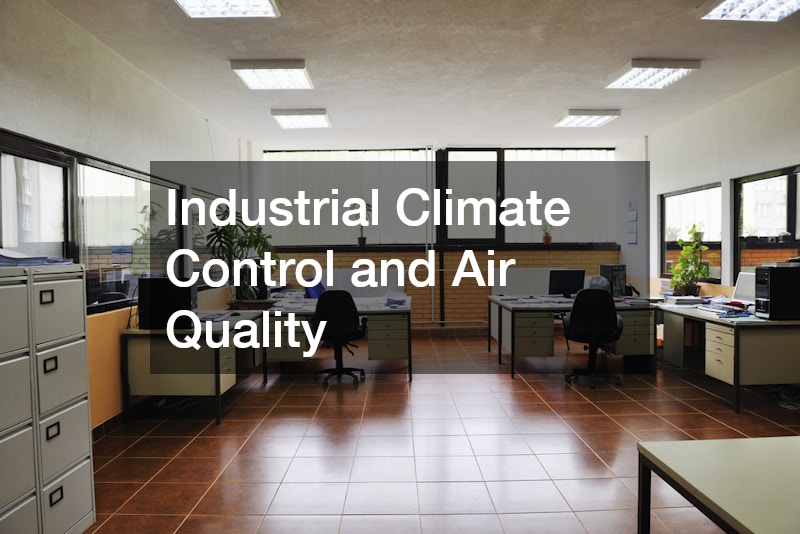
For many commercial spaces, the heating, ventilation, and air conditioning (HVAC) system is the single most expensive piece of equipment on the property. These industrial-grade units are vastly different from standard home systems and require specialized knowledge to maintain. If a unit is near the end of its life, the cost of replacement can be tens of thousands of dollars. An aging system might also struggle to provide adequate air filtration, which is a significant concern for employee health and comfort.
A buyer should never rely on the seller’s word that the HVAC is “working fine.” Instead, they should hire a technician who specializes in industrial air conditioning repair to perform a full diagnostic test. This technician can check the coolant levels, inspect the compressors, and review the maintenance logs to see if the system has been properly cared for over the years. If the report shows that the units are failing, the buyer can ask for an industrial air conditioning repair credit as part of the closing costs. This ensures that the new owner is not stuck with a broken system during the hottest month of the year.
Security and Physical Entry Points
The physical security of a business is paramount. This begins with the doors and entryways, which must be both secure and functional. In a commercial setting, doors are often heavy-duty and equipped with specific hardware to meet fire safety and ADA accessibility standards. If the doors are misaligned or the locking mechanisms are faulty, the building may not be secure, or worse, it could be in violation of local fire codes, leading to heavy fines.
It is beneficial to have the entryways inspected by experts from commercial door companies. These professionals can evaluate the condition of storefront glass doors, heavy steel back doors, and even overhead loading dock doors. They can determine if the existing hardware is compliant with modern safety regulations or if the seals need replacing to prevent drafts. By working with commercial door companies during the due diligence phase, a business owner can ensure that their staff and inventory are protected from the moment they take possession of the keys.
Managing Financial Risk and Liability
Protecting a business venture involves more than just fixing pipes and doors; it requires a robust strategy for financial risk management. No matter how perfect a building seems, unforeseen accidents can and do happen. Before moving into a new space, a business must have a clear understanding of its exposure to risk and what kind of protection is required by the landlord or the law.
Securing the right business insurance is a non-negotiable step in the due diligence process. A comprehensive policy protects the company against property damage, theft, and general liability claims. An insurance agent can look at the specific property being considered and point out factors that might affect premiums, such as the age of the roof or the proximity to a fire station. Having business insurance in place before the lease begins is often a requirement of the contract, and it provides the peace of mind needed to focus on growth rather than worrying about potential disasters.
Ensuring Workplace Safety and Compliance

In addition to protecting the physical assets, a business owner must protect the people who work for them. Every state has strict regulations regarding employee safety and the compensation provided if someone is injured on the job. A new facility might have hidden hazards, such as steep staircases without proper grip or poorly lit loading zones, that increase the likelihood of a workplace accident.
If an accident does occur, the legal ramifications can be overwhelming. This is where the expertise of worker comp lawyers becomes vital. While these professionals are often consulted after an injury has happened, they can also provide valuable guidance on how to set up a workspace that minimizes the risk of claims. Understanding the legal landscape surrounding employee rights helps an owner create a safer environment. By consulting with worker comp lawyers, a company can ensure that their internal policies are up to date and that they are fully prepared to handle any personnel issues that might arise in the new location.
Branding and Market Readiness
The final phase of due diligence involves looking forward to the grand opening. Once the building is verified as safe and legal, the focus shifts to how the brand will be presented to the community. This is a time of high energy and excitement, but it also requires careful planning to ensure the launch is professional and cohesive. The physical space needs to reflect the quality of the service or product being offered.
An essential partner in this phase is a high-quality printing company. They are responsible for creating the tangible items that connect the business to its customers, such as menus, business cards, brochures, and banners. During the final days of the due diligence period, it is helpful to coordinate with a printing company to ensure that all marketing materials are ready for the move-in date. Having these materials prepared in advance allows for a seamless transition and ensures that the business can start generating revenue the moment the doors are officially opened to the public.
The Value of a Detailed Approach
Taking the time to perform thorough due diligence is the best way to ensure long-term success in commercial real estate. While the process can feel tedious and expensive at the start, it is nothing compared to the cost of fixing a major structural or legal error after the deal is closed. By systematically checking the legal, physical, and operational aspects of a property, a business owner can move forward with confidence.
From the technical inspections of the pipes to the strategic advice of legal counsel, each step serves as a safeguard for the future. The goal is to walk into a new space with eyes wide open, fully aware of both the opportunities and the challenges that lie ahead. With a dedicated team of professionals and a clear checklist, the transition into a new commercial space can be the beginning of a prosperous new chapter. Taking these steps today prevents the headaches of tomorrow and lays the foundation for a resilient and thriving business.