
When running a business, the ideal customer scenario usually involves a user happily browsing, comparing options, reading reviews, and eventually making an enjoyable purchase. However, a massive portion of the economy operates in a completely different reality: the necessity-driven, high-friction, or sensitive services market.
Most people do not spend their Sunday afternoon casually browsing websites for a bail bondsman, researching a local pooper scooper, or planning for a pet euthanasia service. These services are accessed during moments of crisis, inconvenience, distress, or extreme urgency.
Marketing these niches requires a fundamental shift in strategy. Traditional marketing relies heavily on creating desire, building brand affinity over long sales cycles, and leveraging lifestyle messaging. In contrast, marketing essential services people avoid until they need them requires balancing rapid visibility, instant empathy, unwavering authority, and friction-free user experiences.
Here is how modern businesses navigate these awkward, stressful, or sensitive industries and successfully convert users when it matters most.
Understanding the Mindset of the High-Stress Consumer
To market a taboo or crisis-driven service effectively, you must first map the customer’s emotional state at the precise moment they enter a query into a search engine. When someone needs a disability lawyer, a tornado shelter, or a cremation service, they are rarely operating with a calm, analytical mindset. They are typically experiencing one of three core triggers: urgency and panic where failure to find a solution quickly carries high consequences, grief and vulnerability from an emotionally draining life transition; or reluctance and discomfort from delaying an unpleasant chore.
Because these consumers are often anxious, overwhelmed, or hurried, your digital presence cannot afford standard marketing fluff. If a landing page is cluttered with pop-ups, vague corporate speak, or complex navigation, the user will hit the back button within seconds. The primary goal of your content is not to dazzle; it is to reassure. Your copy must immediately communicate that you understand what they are going through, you know exactly how to solve it, and they can trust you right now.
Local Visibility as the First Line of Defense
When a crisis strikes, consumers rarely scroll to page two of search engine results, nor do they spend days asking friends for word-of-mouth recommendations on social media. They reach for their phones and execute a localized search.
Consider a situation where a family experiences a sudden environmental issue in their home. They aren’t looking for national theoretical articles; they are looking for local mold testing options that can send an expert to their property immediately. For these industries, local search engine optimization is the single most critical client acquisition channel.
Optimizing the Map Pack
Because many emergency or high-friction services are location-dependent, appearing in top local map listings is vital. This requires maintaining strict Name, Address, and Phone number consistency across every directory on the web, building localized landing pages for every suburb or municipality you serve, and actively gathering customer feedback, even in sensitive industries where clients might prefer anonymity.
Managing Privacy in Sensitive Reviews
Asking a client to leave a public review for a bail bondsman or a disability lawyer can be delicate. Many customers feel uncomfortable having their real names associated with legal troubles or personal financial struggles. To overcome this, businesses should provide clear guidance on how clients can leave anonymous or first-name-only reviews, focusing their feedback on the professionalism, compassion, and speed of the service rather than the private details of their situation.
Balancing Empathy and Authority in Digital Copywriting
Once a prospect lands on your website, your written content must strike a delicate balance between human empathy and professional authority. When someone is tasked with arranging a local funeral service or seeking a birth center for a high-stakes medical choice, they need a service provider that feels both deeply caring and supremely competent.
The Problem with Over-Selling
Aggressive sales tactics—such as countdown timers, high-pressure banner ads, or overly transactional copy—fail miserably in sensitive niches. If a website for a cremation service looks like an e-commerce flash sale, it alienates the user instantly. Instead, adopt a tone of steady guidance. Use warm, clear language that acknowledges the difficulty of the situation without being overly dramatic or performative.
Structuring Information for Scannability
An anxious mind struggles to process dense blocks of text. Ensure your landing pages feature simple, direct headlines that clearly state what you do, along with clear pathways to key steps, pricing structures, and service inclusions. Include prominent, one-click phone numbers, quick contact forms, and visible credentials, certifications, licenses, and badges of trust. If a user needs a pet euthanasia service at their home, they should not have to hunt through four pages of text to find out if you cover their neighborhood or what your hours of operation are. The essential logistics must be front and center.
Destigmatizing Unpleasant Life Realities
Some services are avoided not because of emotional tragedy, but simply because they are unglamorous, awkward, or inconvenient. Take, for example, maintaining a clean yard when you own multiple dogs. While hiring a local pooper scooper might feel like a luxury or an awkward service to request, effective marketing shifts the narrative from the unpleasantness of the job to the lifestyle benefits: reclaiming your weekend time, keeping your kids safe from bacteria, and maintaining a pristine lawn.Destigmatization relies on two primary creative strategies:
Normalizing the Need
Use your blog, social channels, and FAQ sections to show that thousands of responsible people use your service every day. Frame the service as a practical, smart solution used by proactive homeowners or caring family members, rather than a last resort.
Strategic Use of Humor
While humor should never be used in grief-adjacent services or high-stakes emergencies, it can be a massive, transformative asset for awkward home chores, embarrassing physical problems, or minor everyday nuisances. A lighthearted, self-aware tone lowers a prospective customer’s guard, disarms their natural discomfort, and transforms an inherently unappealing subject into something shareable, engaging, and memorable. By leaning into playful candor rather than clinical detachment, brands can demystify uncomfortable topics, humanize their team, and create a relatable identity. This clever approach builds instant rapport, drives organic word-of-mouth chatter, and ultimately turns a service people dread discussing into a brand they genuinely enjoy recommending.
Navigating Search Intent Across Crisis Levels
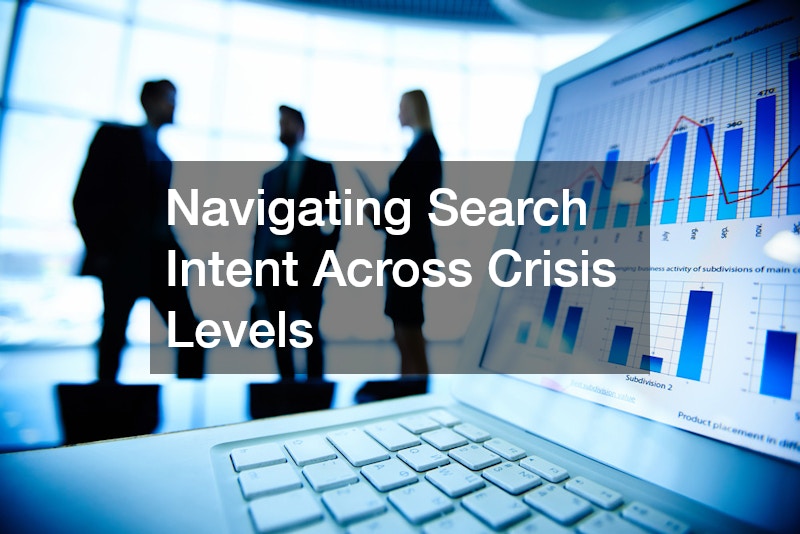
Not every search term carries the same level of intent or emotional weight. Effective content marketing categorizes keywords by customer urgency and tailors the user experience accordingly. For an immediate crisis, users rely heavily on mobile searches, demand immediate calls to action, and spend minimal time browsing. They convert based on instant availability, prominent phone buttons, and defined geographic service areas. In cases of planned sensitivity, prospects engage in moderate browsing, compare facilities and philosophies, and read reviews. Their key conversion triggers are empathetic storytelling, transparent pricing, video tours, and staff biographies. For reluctant necessities, buyers spend significant time researching, checking legal qualifications, and reading educational guides. They are converted through clear process explanations, free consultation offers, and proven case results. Understanding where your prospective client falls on this spectrum dictates how you present your content. If someone is actively searching for a tornado shelter during severe weather warnings, they need a direct phone number and an immediate installation form. If they are researching storm preparation in the middle of winter, they are open to reading long-form guides about structural ratings, financing options, and square footage requirements.
The Role of Educational Content in High-Friction Niches
Even in industries where customers only buy once or twice in a lifetime, content marketing plays a crucial role in building trust long before a crisis occurs—or helping customers navigate a crisis while it happens. Consider the complex, confusing administrative hurdles faced by someone applying for federal assistance. An individual seeking help from a disability lawyer often feels overwhelmed by government paperwork, legal jargon, and denial notices. By publishing straightforward, easy-to-understand guides that answer specific questions—such as what documents are needed to appeal a claim or how long the application process takes—a legal practice establishes itself as an ally. When you provide free, helpful clarity to someone in a confusing situation, you become the natural choice when they decide to hire a professional.
Comprehensive Guides as Trust Assets
Educational content in taboo or sensitive fields should focus on step-by-step breakdowns that explain what happens after a customer calls, demystifying the operational process to remove fear of the unknown. It should also prioritize pricing transparency, as hidden costs create massive friction in sensitive fields, whereas providing clear pricing ranges or cost factors builds immediate goodwill. Finally, directly answer the uncomfortable questions customers are too shy or embarrassed to ask on the phone.
Soft-Touch Marketing and Auxiliary Services
Not every touchpoint in a sensitive industry needs to be focused on the core heavy topic. Often, auxiliary services act as a bridge, creating positive brand associations in related contexts. For example, expressing care, condolences, or celebrations frequently involves sending gifts or arrangements. A local company specializing in flower deliveries often works alongside funeral directors, hospitals, and celebration venues. By offering exceptional, reliable service during life’s varied milestones, the business builds lasting community relationships that endure across both happy and somber occasions. Similarly, an organization providing maternal health care at a dedicated birth center builds long-term relationships that extend far beyond a single delivery, establishing a foundation of trust that carries over into pediatric referrals, family wellness, and community word-of-mouth. By looking at the broader ecosystem surrounding your core service, you can identify touchpoints where gentle, supportive marketing can build awareness before a high-stress need arises.
Technical Considerations for Sensitive Websites
The technical infrastructure of a website serving high-stress audiences must reflect the same level of care as the copy itself. A slow-loading site or a broken form can cause a panicked user to abandon your business entirely.
Mobile Optimization Is Essential
In emergency scenarios, searches are overwhelmingly conducted on smartphones. Your mobile site must feature a sticky contact bar with a persistent button at the bottom of the screen allowing users to call or text instantly. It requires rapid load speeds by compressing images and streamlining scripts so the page renders instantly, even on weak cellular networks. Additionally, simple tap targets ensure form fields and buttons are large enough to tap easily on small screens, especially for stressed users experiencing unsteadiness or sensory overload.
Privacy and Data Security

If your service involves legal, medical, or sensitive personal data, you must clearly display your commitment to privacy to earn user confidence. Include prominent security badges, SSL encryption notices, and straightforward, plain-language privacy policies directly adjacent to any form where users submit personal information. When potential clients are reaching out during moments of high stress, personal crisis, or legal vulnerability, their anxiety about who will see their data is at an all-time high. Failing to reassure them at the exact moment of conversion creates immediate friction, often leading them to abandon the form entirely out of fear of spam, unwanted solicitations, or public exposure.
A user seeking emergency shelter, domestic legal aid, or sensitive medical advice may be sharing a device or browsing in a public space. Implementing discreet user experience features, such as a prominent quick-exit button that immediately redirects the browser to a neutral homepage, demonstrates an extraordinary level of empathy and real-world safety awareness. Ultimately, robust privacy measures are not just technical or legal requirements; they are fundamental marketing conversion assets. By treating user data with extreme care and explicitly communicating that respect at every digital touchpoint, you transform a hesitant visitor into a confident client who feels completely safe entrusting you with their most sensitive concerns.
Master Evaluation for High-Friction Services
To evaluate whether your brand is equipped to win in a sensitive or emergency-driven market, audit your digital strategy against six fundamental pillars. Ensure immediate clarity so a user landing on your homepage instantly knows what you do, where you operate, and how to reach you within three seconds. Craft empathetic copywriting that speaks directly to the user’s emotional state without sounding clinical, predatory, or overly salesy. Guarantee frictionless conversions through click-to-call phone numbers and brief contact forms. Maintain transparent processes so customers know exactly what happens next. Establish local dominance with precise, updated location data across all map platforms. Finally, leverage social proof by displaying verified, respectful testimonials from clients who faced similar challenges.
Turning Essential Needs into Lasting Reputation
Marketing services that people actively avoid until necessity strikes is one of the most challenging disciplines in digital growth. It demands a level of emotional intelligence, technical precision, and ethical restraint that traditional consumer marketing rarely requires.
When you treat your prospective clients with dignity, remove unnecessary friction from their search, and provide clear, reassuring solutions during their most difficult or inconvenient moments, you do more than just generate leads. You establish your business as a trusted fixture in your community—the team people rely on when it matters most.