
Workplace safety and regulatory compliance are critical components of long-term business success. Companies that prioritize these areas not only protect their employees but also safeguard their reputation, reduce liability, and increase operational efficiency. A safe workplace reduces accidents, lowers insurance costs, and contributes to a more productive and engaged workforce. Conversely, neglecting safety can result in costly injuries, legal challenges, and decreased morale.
In today’s competitive business landscape, growth isn’t just about revenue and market share—it’s also about maintaining operational excellence and risk management. Ensuring compliance with local, state, and federal regulations is essential for businesses of all sizes. This article explores practical, actionable strategies to optimize workplace safety and compliance, focusing on operational improvements, employee training, and infrastructure management.
Assess Your Current Workplace Safety Standards
Before implementing new safety measures, it’s crucial to understand the current state of your workplace. Conducting a thorough assessment will help identify gaps, prioritize improvements, and establish a baseline for ongoing monitoring. A proactive evaluation ensures that your safety strategy addresses real risks rather than assumptions, and it sets the stage for measurable improvements over time.
- Conduct a facility-wide safety audit: Walk through all areas of your workplace, including offices, production areas, storage, and common spaces, to identify potential hazards. Pay attention to less obvious risks, such as poor lighting, uneven floors, or cluttered walkways, which often contribute to slips, trips, and falls. Consider using a standardized checklist to ensure consistency across all areas and to make it easier to compare findings over time.
- Review past incidents and near misses: Analyze records of injuries, accidents, and close calls to determine patterns and recurring risks. Look for trends by department, time of day, or type of activity to pinpoint areas that require immediate attention. Sharing lessons learned from these incidents during team meetings can help employees recognize potential hazards and encourage a culture of proactive reporting.
- Evaluate equipment and machinery: Ensure all machines, tools, and safety devices are in proper working order and meet current safety standards. Regular preventive maintenance and calibration of equipment can prevent malfunctions that may lead to accidents or downtime. Include checks on personal protective equipment (PPE) to confirm that it’s available, in good condition, and properly used.
- Document findings: Keep detailed records of observations, issues, and corrective actions for compliance purposes. Well-maintained documentation not only helps with internal accountability but also provides evidence of due diligence during audits or inspections.
In addition to operational assessments, consult external experts for legal and claims guidance. A business lawyer can review your company’s policies and contracts to minimize liability, ensuring your safety protocols comply with applicable regulations. Similarly, a workers compensation law firm can advise on proper procedures for reporting injuries, filing claims, and preventing future workplace accidents. Partnering with these professionals early can prevent costly disputes, reinforce employee confidence in safety practices, and enhance overall compliance across your organization.
Develop Clear Safety Policies and Procedures
Clear, well-documented policies are essential for setting expectations and creating a culture of safety. Employees must understand how to handle hazards, respond to emergencies, and operate equipment safely. Without formal policies, even well-intentioned staff may inadvertently create risks or fail to respond properly in urgent situations. Comprehensive policies provide a framework for consistent decision-making and help demonstrate due diligence in compliance audits or legal reviews.
Key steps to develop effective safety policies:
- Define roles and responsibilities: Specify who is responsible for implementing and monitoring safety procedures at every level of the organization. This includes supervisors, department heads, and frontline employees. Clearly outlining responsibilities reduces confusion and ensures accountability for tasks such as inspections, equipment maintenance, and incident reporting.
- Outline emergency response protocols: Include evacuation plans, fire safety procedures, and first-aid instructions tailored to each work environment. Consider creating separate protocols for different types of emergencies, such as chemical spills, electrical hazards, or severe weather, and ensure they are accessible and easy to understand.
- Establish hazard reporting procedures: Make it easy for employees to report unsafe conditions or incidents without fear of reprisal. Encourage anonymous reporting options and implement a clear follow-up system to address concerns promptly. Prompt response builds trust and reinforces the value of safety in your organizational culture.
- Regularly review and update policies: Safety standards evolve due to regulatory changes, technological advancements, or lessons learned from incidents. Review and revise policies at least annually, and communicate updates to employees through training sessions or internal communications.
Engaging professional legal counsel ensures that your policies are both enforceable and aligned with business objectives. A contract lawyer can draft agreements with vendors, contractors, and service providers that clearly outline safety obligations, reducing liability risks. For example, including specific requirements for equipment maintenance, hazard mitigation, or PPE usage in contracts ensures that external partners comply with your standards. Additionally, a business succession planning lawyer can help ensure that safety and compliance measures remain intact during leadership transitions, protecting institutional knowledge and ensuring continuity. By combining clear internal policies with legal guidance, businesses create a strong foundation for long-term operational safety and regulatory compliance.
Train and Empower Employees for Compliance
A well-trained workforce is the backbone of a safe workplace. Employees must be equipped with the knowledge and skills to recognize hazards, follow procedures, and respond appropriately to emergencies. Without proper training, even experienced employees can inadvertently create unsafe conditions or fail to respond correctly during critical situations. Effective training not only prevents accidents but also fosters a culture of shared responsibility and proactive risk management.
Practical training strategies include:
- Onboarding training: Introduce new hires to workplace safety policies, emergency procedures, and proper equipment use. Providing hands-on demonstrations during the first week ensures employees understand expectations from day one. Pairing new hires with experienced mentors can reinforce practical learning.
- Ongoing safety programs: Offer refresher courses, workshops, and certifications relevant to each department. Regular updates help employees stay current with evolving safety regulations, new equipment, and best practices. Consider incorporating digital modules or microlearning sessions for accessibility and consistent engagement.
- Scenario-based drills: Conduct fire drills, spill response exercises, and equipment operation simulations to reinforce learning. Realistic practice allows employees to internalize responses and identify potential gaps in procedures. Post-drill reviews can highlight improvements and encourage collaborative problem-solving.
- Encourage a culture of accountability: Reward proactive reporting and safe practices while addressing repeated violations. Recognize employees who identify hazards or suggest improvements, and integrate safety goals into performance evaluations to reinforce expectations.
Recruiting the right personnel also plays a significant role in safety and compliance. A recruiting firm can help source candidates with experience in high-risk or regulated industries, reducing the likelihood of incidents caused by inexperience. Beyond hiring, commercial roofing services provide insight into on-site safety practices, such as fall prevention, proper handling of tools, and hazard communication. Observing these protocols can inform your own training programs and ensure that employees are prepared to handle real-world situations safely. By combining structured training, scenario practice, and industry insights, companies can create a confident, knowledgeable workforce that actively contributes to a safer workplace and stronger compliance culture.
Maintain and Inspect Critical Infrastructure
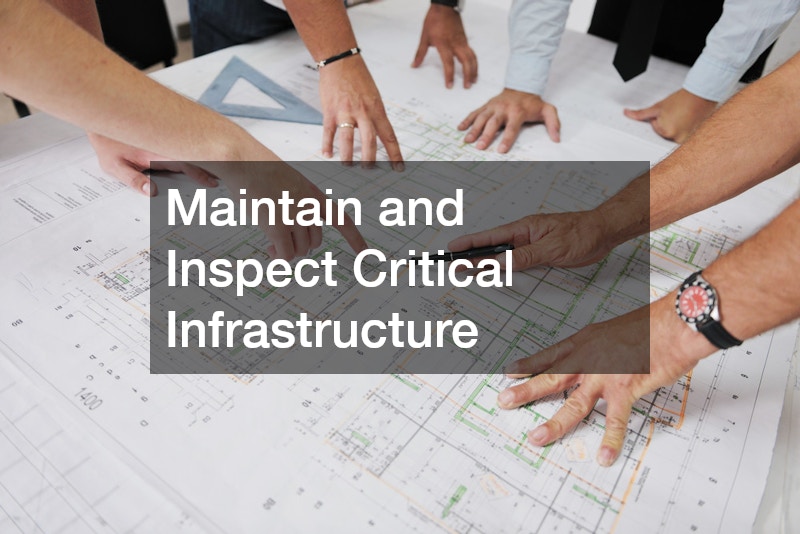
Workplace safety isn’t limited to employee behavior; it extends to the physical environment. Regular inspection and maintenance of critical infrastructure ensures that your facilities remain safe, functional, and compliant with regulations.
Maintenance best practices:
- Schedule regular inspections: Check electrical systems, plumbing, HVAC, and roofing for wear, damage, and compliance issues.
- Document repairs and maintenance: Keep logs for audits and insurance purposes.
- Implement preventive maintenance: Replace worn parts and systems before failures occur.
- Use licensed contractors: Ensure third-party vendors meet safety standards and local codes.
Commercial electricians play a vital role in maintaining safe electrical systems, reducing fire risks, and ensuring compliance with national and local electrical codes. HVAC contractors help maintain proper air quality, temperature control, and ventilation, which are critical for both employee health and regulatory compliance. Partnering with these specialized contractors ensures that your facilities remain safe and efficient.
Keep Your Workspaces Clean and Functional
A clean, well-maintained workspace is essential for minimizing accidents and promoting a healthy work environment. Slips, trips, and falls are among the most common workplace injuries, often caused by clutter, spills, or poorly maintained surfaces.
Practical steps for maintaining safe workspaces:
- Routine cleaning schedules: Maintain kitchens, bathrooms, common areas, and high-touch surfaces to prevent illness and hazards.
- Address hazards immediately: Repair leaks, remove obstacles, and mark wet floors or uneven surfaces.
- Encourage employee responsibility: Promote tidy workstations and shared accountability for communal spaces.
- Regular inspections: Conduct weekly walk-throughs to identify and correct potential risks.
Commercial kitchen cleaning services are particularly important in environments where food preparation occurs, preventing contamination, health code violations, and slip hazards. Similarly, hiring a commercial paving company helps maintain exterior surfaces, such as parking lots, walkways, and loading zones, ensuring they are even, free of debris, and safe for both employees and visitors. Regular paving maintenance reduces trip hazards, prevents damage to vehicles, and improves overall site accessibility. By coordinating with both cleaning services and a commercial paving company, businesses can create a safer, more functional environment indoors and outdoors.
Monitor Compliance and Prepare for Audits
Ongoing monitoring and audit readiness are critical for maintaining workplace safety and demonstrating compliance with regulations.
Steps to monitor and maintain compliance:
- Internal audits: Use checklists aligned with OSHA, local, and industry standards to evaluate adherence to safety policies.
- Incident tracking: Maintain a log of all accidents, near misses, and safety violations.
- Corrective actions: Implement solutions promptly and track effectiveness over time.
- Training documentation: Keep detailed records of employee training sessions and attendance.
A business lawyer can provide guidance on audit preparation, helping companies ensure documentation is complete and policies are enforceable. Contract lawyers can review vendor and service agreements to confirm they include appropriate safety and compliance clauses, protecting your business from third-party liability. Regular monitoring and proactive audits reduce the risk of penalties, workplace incidents, and reputational damage.
Leverage Technology to Enhance Safety
Modern technology offers numerous tools to improve workplace safety, streamline compliance tracking, and engage employees in proactive risk management.
Ways technology can improve safety:
- Safety management software: Track incidents, inspections, training, and compliance metrics in one platform.
- Digital alerts and signage: Notify employees of hazards, equipment status, or safety reminders in real-time.
- Mobile apps for reporting: Allow staff to quickly report hazards or near misses directly to management.
- Integration with operational tools: Connect safety systems with HR and operational software for holistic management.
Recruiting firms can integrate safety compliance into hiring software, ensuring new employees meet training and certification requirements before starting work. Additionally, business succession planning lawyers emphasize the importance of embedding safety and compliance protocols into operational systems so that leadership changes do not disrupt established standards. Technology thus acts as both a preventive and organizational tool for sustained business growth.
Foster a Safety-First Company Culture

Creating a culture that values safety is arguably the most important factor in long-term compliance and employee well-being. A safety-first mindset ensures that policies are not just followed, but internalized.
Strategies to cultivate a safety-oriented culture:
- Incentivize safe behavior: Reward employees for proactive reporting, adherence to procedures, and participation in safety initiatives.
- Transparent communication: Encourage employees to voice concerns about hazards or processes without fear of retaliation.
- Integrate safety into performance reviews: Include safety goals and metrics in employee evaluations.
- Regular leadership involvement: Managers should actively participate in inspections, drills, and policy discussions.
Workers compensation law firms provide guidance on creating a proactive safety culture that minimizes claims and fosters accountability. Commercial roofing services illustrate the importance of teamwork, training, and adherence to protocols, which can be applied across industries to strengthen safety practices. When employees see that safety is valued at every level, it becomes a core part of the company identity rather than just a compliance requirement.
Optimizing workplace safety and compliance is not just a regulatory obligation—it’s a strategic investment in long-term business growth. By assessing current standards, creating clear policies, training employees, maintaining infrastructure, and fostering a culture of safety, companies can protect their workforce, minimize risks, and enhance operational efficiency.
Partnering with specialized service providers, legal professionals, and technology solutions ensures that safety protocols are comprehensive, enforceable, and sustainable. Businesses that prioritize workplace safety create a more productive, engaged, and resilient workforce, positioning themselves for consistent growth and success.
Implementing these strategies requires commitment and planning, but the results—fewer accidents, lower liabilities, and improved employee morale—are well worth the effort. Prioritizing safety today ensures a stronger, more stable business tomorrow.