
Building a Perfect Commercial Storage Structure
Introduction
In today’s competitive business environment, constructing an efficient and durable commercial storage structure is not just a matter of convenience but a necessity. Companies rely on these facilities to protect valuable inventory, streamline operations, and ensure the safety of both products and personnel. A poorly designed or inadequately maintained storage facility can lead to costly damages, operational delays, and compromised safety.
This guide explores the key elements that contribute to a high-functioning commercial storage structure. By focusing on critical factors such as waterproofing, electrical systems, concrete quality, HVAC efficiency, flooring, plumbing, garage doors, landscaping, concrete coatings, and fencing, business owners and construction managers can make informed decisions that enhance both the longevity and functionality of their structures. Understanding these elements and hiring the right professionals ensures that your facility performs optimally for years to come.
What are the Key Considerations in Selecting a Waterproofing Company?
Importance of Waterproofing
Waterproofing is one of the most critical factors in maintaining the integrity of a commercial storage structure. Moisture intrusion can weaken the foundation, corrode metal fixtures, damage electrical systems, and create an environment conducive to mold and mildew growth. Effective waterproofing protects inventory from water damage, ensures structural stability, and minimizes long-term maintenance costs. Hiring a reputable waterproofing company is essential to achieve these outcomes, as professional expertise guarantees that materials and techniques are applied correctly to safeguard the building.
Factors to Consider When Selecting a Waterproofing Company
Selecting the right waterproofing company requires evaluating experience, reputation, and the range of services offered. A company that specializes in commercial structures and has a track record of handling complex projects is generally preferable. Consider the methods and materials the company uses, ensuring they align with the specific needs of your facility, whether it involves flat roofs, foundations, or external walls. Availability for follow-up inspections and maintenance is another key factor, as water infiltration issues can develop over time and require periodic attention.
Questions to Ask Potential Companies
When consulting potential waterproofing companies, ask about the specific techniques they use, past projects, warranties offered, and the expected lifespan of their solutions. Inquire about their approach to unexpected challenges such as structural cracks or previously damaged areas. Understanding how the company handles follow-up inspections and maintenance provides insight into their reliability and commitment to long-term performance.
Top Waterproofing Techniques
Commercial waterproofing techniques vary depending on the structure and its exposure to water. Popular methods include liquid-applied membranes, sheet membranes, cementitious coatings, and injection grouting for cracks. Each technique has advantages: liquid membranes provide seamless coverage, sheet membranes offer durability, and cementitious coatings are ideal for concrete surfaces. Working with a professional waterproofing company ensures that the technique selected is appropriate for your building design and climate conditions.
Case Studies: Successful Waterproofing Projects
Case studies demonstrate the value of professional waterproofing. One commercial storage facility experienced frequent water intrusion due to a flat roof. By applying a high-quality liquid membrane and sealing all joints, the waterproofing company eliminated leaks and extended the building’s lifespan by over a decade. Another project involved foundation waterproofing for a multi-level warehouse, which prevented water seepage and maintained structural stability despite heavy rainfall. These examples highlight how expert waterproofing protects investments and reduces future repair costs.
How to Choose a Reliable Commercial Electrician?
Roles of a Commercial Electrician
A commercial electrician ensures that a building’s electrical system is safe, efficient, and compliant with local codes. Responsibilities include wiring installation, lighting systems, energy management solutions, backup power systems, and troubleshooting electrical issues. In a storage facility, an experienced commercial electrician is essential for maintaining operational continuity and safeguarding expensive equipment from power fluctuations.
Evaluating Certifications and Licenses
Before hiring a commercial electrician, verify that they hold appropriate licenses and certifications. Licenses indicate that the professional meets state and local regulations, while certifications demonstrate specialized training in commercial electrical systems. A certified commercial electrician brings expertise in energy-efficient solutions, advanced wiring methods, and large-scale electrical project management.
Cost vs. Quality of Service
While cost is a consideration, prioritizing quality over the lowest bid is crucial for electrical work. Poor installation or substandard materials can lead to safety hazards, frequent maintenance, and higher energy bills. Comparing quotes while examining references and past work allows facility managers to balance cost efficiency with long-term reliability.
Safety Measures Advised by Professionals
Commercial electricians advise on safety measures such as surge protection, emergency lighting, grounding systems, and regular electrical inspections. Implementing these recommendations protects employees and prevents damage to sensitive equipment, ensuring uninterrupted operations.
Recommendations for Sourcing Electricians
Sourcing a commercial electrician can involve referrals from trusted contractors, professional associations, or online directories with verified reviews. Checking previous projects similar in scope to your facility ensures the electrician is familiar with the specific demands of storage structures.
Why Hiring a Qualified Concrete Contractor is Essential?
Understanding Concrete Applications
Concrete is foundational to commercial storage structures. It is used in slabs, foundations, driveways, walkways, and sometimes walls. Properly poured and cured concrete offers strength, durability, and resistance to environmental stressors. Hiring a qualified concrete contractor guarantees that the building’s base and structural elements are installed correctly, ensuring long-term stability and safety.
Attributes of a Qualified Contractor
A skilled concrete contractor should demonstrate extensive experience, proper licensing, and a portfolio of successful commercial projects. They must understand local building codes, soil conditions, and climate factors that can affect curing and strength. Professional contractors also coordinate closely with architects and engineers to ensure structural specifications are met.
Reviewing Past Contractor Projects
Evaluating past projects helps gauge a contractor’s reliability, attention to detail, and ability to meet deadlines. Visiting completed sites or requesting references provides insight into workmanship quality, adherence to budget, and problem-solving capabilities.
The Concrete Pouring Process
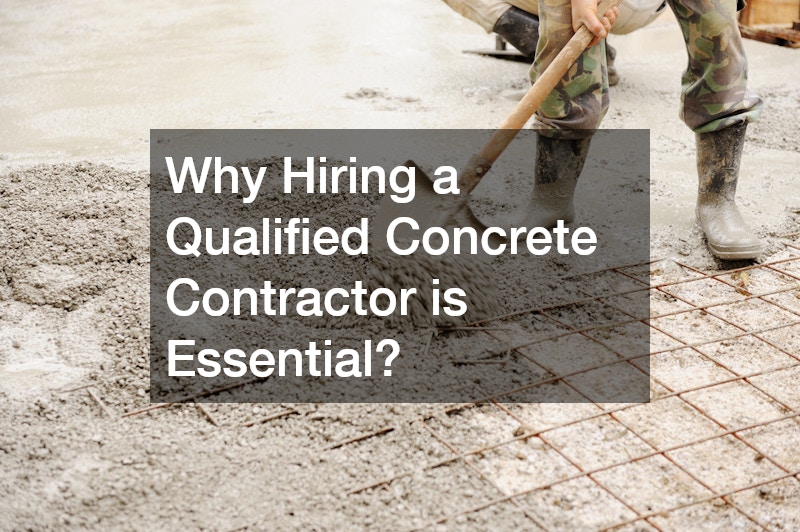
The concrete pouring process involves preparing the site, installing forms, mixing materials, pouring, and finishing surfaces. Proper curing is critical to prevent cracks and structural weaknesses. A qualified concrete contractor monitors weather conditions and adjusts methods to maintain concrete integrity.
How Concrete Quality Impacts Longevity
High-quality concrete combined with expert installation enhances a structure’s durability, load-bearing capacity, and resistance to weathering. Subpar concrete or poor pouring techniques can lead to cracks, water penetration, and premature deterioration, necessitating costly repairs.
What to Look for in Commercial HVAC Repair Services?
Signs You Need Commercial HVAC Repair
Commercial storage structures rely on HVAC systems to maintain temperature, humidity, and air quality. Signs that commercial HVAC repair is necessary include inconsistent temperatures, unusual noises, higher energy bills, and frequent breakdowns. Addressing issues early prevents equipment failure and potential damage to inventory.
Comparing Commercial vs Residential HVAC Needs
Commercial HVAC systems differ significantly from residential systems in scale, complexity, and operational demands. Commercial units often require specialized maintenance, zoning controls, and more robust energy management. Hiring technicians experienced in commercial HVAC repair ensures effective solutions and prolonged system life.
HVAC Maintenance Tips
Regular maintenance such as cleaning filters, inspecting ductwork, lubricating components, and testing thermostats improves efficiency and prevents costly malfunctions. Maintenance schedules should align with manufacturer recommendations and seasonal demands.
Energy Efficiency Improvements
Modern commercial HVAC systems offer energy-saving solutions like programmable thermostats, variable-speed compressors, and high-efficiency motors. Upgrading to energy-efficient equipment reduces operating costs while maintaining a consistent storage environment.
Choosing a Trusted Repair Service
Select commercial HVAC repair services based on experience, certifications, emergency response availability, and customer reviews. A dependable provider ensures minimal downtime and compliance with commercial regulations.
Understanding the Benefits of Epoxy Flooring
What is Epoxy Flooring?
Epoxy flooring is a durable, chemical-resistant coating applied over concrete surfaces. It creates a seamless, non-porous surface that enhances durability, appearance, and ease of cleaning. Commercial facilities benefit greatly from epoxy flooring due to heavy foot and vehicle traffic, as well as exposure to chemical or water spills.
Benefits for Commercial Use
Epoxy flooring withstands heavy traffic, resists chemical spills, and prevents moisture damage. Its smooth surface improves safety by reducing slip hazards and simplifies maintenance routines. Storage facilities, loading docks, and manufacturing areas benefit particularly from this type of flooring, which enhances both functionality and appearance.
Installation Process Overview
The installation process includes surface preparation, primer application, epoxy coating layers, and curing. Professional installers ensure proper adhesion and uniform coverage to maximize performance and lifespan. Partnering with a trusted installer guarantees that your epoxy flooring meets both durability and aesthetic expectations.
Maintenance and Longevity
Routine cleaning, periodic inspections, and prompt repairs of minor damages prolong the flooring’s life. With proper care, epoxy floors can maintain their functionality and aesthetic appeal for over a decade, making them a cost-effective investment for commercial structures.
Comparing Epoxy with Other Flooring Options
Compared with standard concrete or tile, epoxy offers superior resistance to abrasion, chemicals, and moisture. While initial installation costs may be higher, long-term durability and reduced maintenance justify the investment. Epoxy flooring often outperforms other options in both safety and lifespan, providing a strong return for commercial facilities.
How to Identify a Reliable Commercial Plumber?
Factors Affecting Plumbing Systems
Commercial plumbing systems handle significant water flow, waste management, and equipment requirements. Factors such as pipe material, water pressure, and system layout influence overall performance. A skilled commercial plumber ensures these systems operate efficiently and reduces the risk of disruptions.
Licensing and Expertise
Verify that commercial plumbers are licensed, insured, and experienced with large-scale projects. Expertise includes knowledge of local codes, emergency repairs, and specialized commercial equipment. A reputable plumber can also provide recommendations for system upgrades to improve efficiency and reduce maintenance costs.
Customer Service and Emergency Response
Reliable commercial plumbers provide prompt communication and emergency response capabilities. In commercial settings, fast resolution minimizes operational disruption and prevents property damage. Choosing a plumber with proven reliability and strong customer support is critical for maintaining uninterrupted operations.
Cost-Benefit Analysis
While cost considerations matter, investing in a reputable commercial plumber reduces the likelihood of recurring issues, costly emergency repairs, and potential code violations. Efficient plumbing translates to long-term savings and smoother facility operation.
Typical Plumbing Challenges in Commercial Structures
Common challenges include leaks, clogged drains, water heater failures, and pipe corrosion. A qualified commercial plumber identifies problems early and implements solutions that ensure consistent system performance and structural safety.
When to Consider Garage Door Repairs?
Signs Your Garage Door Needs Repairs
Garage doors in commercial storage structures experience heavy use. Indicators of needed garage door repairs include slow operation, unusual noises, misalignment, and damaged panels. Addressing these issues promptly prevents more extensive damage and protects stored inventory.
Importance of Timely Repairs
Timely garage door repairs ensure operational efficiency and safety. Malfunctioning doors can disrupt deliveries, create security risks, and increase wear on mechanical components. Proactive maintenance and repairs extend the lifespan of commercial garage doors.
Choosing a Repair Company
Select repair companies with experience handling commercial structures, positive references, and a strong track record of timely service. Quality repair work prevents recurring problems and reduces operational disruptions.
DIY vs Professional Repairs
While minor maintenance tasks may be handled in-house, professional garage door repairs guarantee proper alignment, system calibration, and adherence to safety standards. Attempting DIY fixes on commercial doors can create hazards and void warranties.
Maintenance Tips for Longevity
Regular inspections, lubrication, and timely replacement of worn parts prevent the need for major garage door repairs. Scheduled maintenance ensures smooth operation and prolongs the life of door mechanisms.
Which Landscaping Material is Suitable for Commercial Structures?
Overview of Different Materials
Selecting the right landscaping material for commercial structures affects aesthetics, safety, and maintenance requirements. Common materials include pavers, gravel, mulch, decorative stone, and artificial turf. The choice impacts drainage, durability, and environmental sustainability.
Factors Influencing Material Choice
Consider factors such as climate, foot traffic, vehicle access, and aesthetic goals when selecting landscaping material. Materials must withstand heavy use while complementing the building’s design.
Long-Term Maintenance and Durability
Durable landscaping materials reduce the frequency of replacement and ongoing maintenance. High-quality stones, treated mulch, or resilient artificial turf maintain their appearance over time and reduce operational disruptions.
Environmental Considerations
Sustainable landscaping materials support water conservation, reduce erosion, and limit environmental impact. Choosing eco-friendly options benefits both the property and the surrounding community.
Examples of Material Applications
Pavers and concrete walkways provide stable paths, gravel assists with drainage, and mulch enhances aesthetic appeal around planted areas. Each landscaping material serves a functional and visual purpose, creating a welcoming and practical commercial environment.
Why Consider a Concrete Coating Service?
What is Concrete Coating?
A concrete coating service applies a protective layer over concrete surfaces to prevent damage, enhance durability, and improve appearance. Coatings can be clear, colored, or textured depending on design and functional requirements.
Advantages of Coating
Concrete coatings protect surfaces from wear, chemicals, moisture, and UV damage. They reduce maintenance costs and improve safety by creating non-slip surfaces in high-traffic areas.
Types of Coating Available
Common options include epoxy, polyurethane, acrylic, and polyaspartic coatings. Each provides different levels of durability, chemical resistance, and aesthetic finish. A professional concrete coating service ensures the right type is applied for maximum effectiveness.
Application Process
The process involves surface preparation, primer application, coating layers, and curing. Properly applied coatings bond to concrete for a long-lasting protective finish that enhances structural resilience.
Impact on Structural Durability
By preventing cracking, moisture infiltration, and chemical damage, concrete coatings significantly extend the life of floors, loading areas, and foundations. This results in fewer repairs, reduced downtime, and improved investment protection.
Benefits of Installing Custom Fencing

Reasons for Custom Fencing
Custom fencing provides security, privacy, and visual appeal. It allows commercial storage facilities to protect inventory, define property boundaries, and create controlled access points.
Design and Material Choices
Materials for custom fencing include steel, aluminum, vinyl, and chain link with customizable designs. Material selection depends on security needs, aesthetic preferences, and maintenance requirements.
Installation Considerations
Professional installation ensures proper alignment, anchoring, and compliance with local codes. Skilled installers prevent future issues such as leaning posts, gate misalignment, or reduced structural integrity.
Security and Privacy Benefits
Custom fencing enhances property security, limits unauthorized access, and can integrate gates, cameras, or other security measures. Privacy fencing also improves the overall look and functionality of the commercial site.
Cost vs. Benefit Analysis
Although custom fencing can require a significant upfront investment, the long-term security, durability, and aesthetic improvements provide substantial value for commercial storage facilities.
Closing Thoughts
By focusing on critical factors such as waterproofing, electrical systems, concrete quality, commercial HVAC repair, epoxy flooring, plumbing, garage door repairs, landscaping material, concrete coating service, and custom fencing, your commercial storage structure can reach the pinnacle of efficiency and resilience. Carefully selecting the right professionals ensures safety, durability, and operational continuity, making your facility a long-term asset that supports business success. This guide provides practical insights to aid in making informed decisions for a successful construction and maintenance strategy.