

Buying a rental property is exciting, but the excitement of a good deal can make buyers rush past details that matter far more than curb appeal. Many first-time landlords focus on rent projections and neighborhood trends while ignoring the physical condition of the systems that will cost them money later. A property that looks move-in ready can still hide expensive surprises behind walls, under sinks, and above ceilings. Before you sign anything, it pays to slow down and inspect the details that most buyers overlook until it is too late.
Exterior Siding and Surface Condition
The outside of a property tells you more than its age; it tells you how well previous owners maintained it. Mold, algae streaks, and grime buildup on siding are not just cosmetic issues, they can signal moisture problems that lead to bigger repairs down the road. Before closing, ask when the exterior was last professionally cleaned and whether staining returns quickly after washing.
Hiring a local house washing service to do a pre-purchase assessment can reveal whether discoloration is surface-level or a sign of deeper water intrusion. This is a small investment that can save you from inheriting a bigger structural issue once you own the property.
Balcony and Deck Safety Standards
If the property has a balcony, deck, or elevated walkway, safety compliance should be a top priority during your inspection. Older balconies often have railing that no longer meets current building codes, especially in properties built before modern safety standards were enforced. This is a liability issue as much as a maintenance one, since tenants and guests will use these spaces regularly.
- Check for wobbling or loose balcony railing posts
- Look for rust or rot at the base of support beams
- Confirm railing height meets local code requirements
- Ask for any past inspection reports related to the structure
Kitchen and Storage Functionality
Rental properties succeed or struggle based on small livability details, and kitchen storage is one tenants notice immediately. Outdated or poorly built cabinets can make a unit feel cramped and unappealing, which affects how quickly you can rent it out. Before closing, consider whether the existing setup will hold up to tenant turnover or whether you will need upgrades soon after purchase.
If cabinetry is showing serious wear, get a quote from a custom cabinetry service before finalizing your offer so you know the real cost of bringing the kitchen up to a rentable standard. This number can also become a useful negotiating point with the seller.
Roof Drainage and Water Management
Water damage is one of the most expensive problems a rental property owner can face, and it often starts at the roofline. Clogged or damaged gutters cause water to pool near the foundation, leading to basement leaks, siding damage, and even pest problems. A single heavy rainstorm can dump hundreds of gallons off a roof in an hour, and without a functioning gutter system, that water has nowhere to go but straight down against the foundation walls.
Buyers frequently skip this detail because gutters are easy to overlook from ground level. During a walkthrough, it’s worth checking for sagging gutter sections, rust stains, or plant growth sprouting from the troughs, all of which signal long-term neglect. Downspouts should extend at least 3 to 6 feet away from the foundation; shorter runs are a common and inexpensive fix, but they’re often ignored until they cause real damage.
It’s also worth inspecting the grading around the property itself. If the ground slopes toward the building rather than away from it, even a perfect gutter system won’t prevent water intrusion. Soil that has settled unevenly near the foundation, or mulch beds piled too high against siding, can trap moisture and accelerate rot.
Ignoring these signs can mean inheriting a costly repair bill within the first year of ownership. Foundation crack repairs alone can run several thousand dollars, and mold remediation from chronic basement moisture often costs even more. A quick inspection before closing, or a request for a home inspector to flag drainage issues specifically, can save buyers from a problem that only gets worse with time.
- Look for sagging, detached, or misaligned gutter sections, especially near seams and end caps
- Check for water stains, peeling paint, or soft spots on the fascia board, which often signal long-term overflow
- Inspect downspouts to confirm they direct water at least 3-5 feet away from the foundation
- Ask about the age of the gutter system and whether it’s aluminum, vinyl, or steel, since lifespans vary widely
- Check if gutter guards are installed and whether debris still accumulates despite them
- Budget for gutter repair if there are visible signs of neglect, rust, or clogging
- Get a rough repair or replacement estimate before closing to negotiate price or credits
Plumbing System Age and Condition
Plumbing issues are among the most common surprises new rental property owners face, and they are rarely visible during a casual walkthrough. Pipes that look fine on the surface may be corroded internally, especially in properties over thirty years old. A slow drain or minor leak during your walkthrough could be a sign of a much larger issue.
Before closing, it is worth paying a local plumber for an independent inspection rather than relying solely on the seller’s disclosure. This gives you a clear picture of remaining pipe lifespan and helps you avoid inheriting a plumbing emergency in your first year as a landlord.
Fire Safety and Building Code Compliance
Fire safety requirements vary widely depending on property type, unit count, and local regulations, and buyers often assume these systems are already compliant. Multi-unit rental properties in particular may be legally required to have a fire sprinkler system installed and maintained to code. Skipping this check can lead to costly retrofits or even fines after you take ownership.
- Confirm whether the property is required to have fire suppression systems
- Ask for maintenance and inspection records if a system is already installed
- Check smoke detector placement and battery backup compliance
- Verify fire extinguisher requirements for common areas
Pest History and Prevention Measures
A clean-looking property can still have an active or recurring pest problem, especially in older buildings, homes with crawl spaces, or those near wooded areas and water sources. Termites, rodents, carpenter ants, and cockroaches can cause damage that is not immediately visible during a walkthrough but becomes expensive once tenants move in and start reporting issues. Termite damage alone can run into thousands of dollars in structural repairs, and by the time it’s noticeable, the infestation may have been active for years.
Sellers are not always forthcoming about past infestations unless directly asked, and in many states disclosure laws only require reporting of known, active problems rather than resolved ones. Buyers should request pest inspection reports, treatment records, and any warranties or service contracts from exterminators, since a documented treatment history says a lot about whether the issue was fully resolved or just masked.
It’s also worth checking for conducive conditions that invite pests even if none are present now — things like standing water near the foundation, wood-to-soil contact, gaps around utility lines, or overgrown vegetation touching the exterior walls. A separate termite inspection (often called a WDO or wood-destroying organism report) is standard in many home sales but frequently skipped in investment property purchases, even though it can reveal risks a general inspector might miss.
Requesting a pest control inspection before closing gives you documentation of the property’s current condition and any treatment history. A licensed inspector can identify signs of termites, carpenter ants, rodents, or wood-boring beetles that a casual walkthrough would likely miss, and their report typically costs between $100 and $300 — a small price compared to the thousands of dollars in structural repairs an infestation can cause.
This step is especially important in regions with high humidity or a history of termite activity, where damage can spread quickly if left unaddressed. Coastal and southern markets, in particular, see recurring subterranean termite issues, so ask the seller directly whether the property has ever been treated and request copies of any warranties or service contracts from pest control companies.
It’s also worth checking whether previous treatments included a transferable bond or ongoing monitoring plan, since this can save you money on future pest control costs. If the inspection uncovers active infestation or old damage, factor those repair estimates into your negotiations or request remediation as a condition of closing.
General Contractor Repair Estimates
Many buyers rely solely on the home inspector’s report without getting a second opinion on repair costs, which can lead to budgeting mistakes. Inspectors are trained to spot problems — a cracked foundation, an aging roof, outdated wiring — but their reports rarely translate those findings into accurate dollar figures. A line item like “roof shows signs of wear” could mean a $500 patch job or a $12,000 full replacement, and that gap can wreck a buyer’s numbers after closing.
Getting a walkthrough from a local contractor before closing gives you real numbers instead of rough guesses. Local pros know current material costs, labor rates, and permitting requirements in your specific market, which national repair-cost calculators simply can’t account for. A contractor can also flag issues the inspector might have downplayed, like whether that “minor” foundation crack requires simple sealing or a full structural repair.
It’s worth getting at least two contractor estimates for any major systems — roof, HVAC, plumbing, or electrical — since quotes can vary by thousands of dollars depending on the company. Ask each contractor for a written breakdown of labor and materials, not just a lump sum, so you can compare them accurately. This extra step typically costs a few hundred dollars but can save you from underestimating a rehab budget by tens of thousands.
- Ask for itemized estimates on any major repairs noted in the inspection, broken down by labor and materials
- Get quotes on roofing, HVAC, plumbing, or foundation issues specifically, since these carry the highest repair costs
- Compare quotes from at least two or three contractors when possible to spot inflated or unrealistic pricing
- Factor permit costs into renovation budgets, since municipalities often charge separately for electrical, plumbing, and structural work
- Add a 10-20% contingency buffer to any estimate for unexpected issues found once work begins
- Use estimates to renegotiate price or request seller credits, using written quotes as leverage during negotiations
- Confirm contractor licensing and insurance before relying on their numbers for financial decisions
Bathroom Fixtures and Renovation Costs
Bathrooms are one of the fastest ways to increase a rental’s appeal, but they are also easy to underestimate when it comes to renovation costs. Older shower enclosures with clouded glass or outdated frames can make a unit feel dated even if everything else has been updated. Buyers often forget to price out these upgrades before closing, only to face the expense right after taking ownership.
If you are planning updates, get pricing on frameless shower doors as part of your renovation budget, since they tend to boost perceived value and are a common upgrade tenants respond well to. Even if you do not renovate immediately, knowing this cost ahead of time helps you plan for future improvements.
Garage Door Function and Long-Term Reliability
If the rental property includes a garage, its door is a feature tenants will use daily, and mechanical failures can lead to frustrating maintenance calls soon after purchase. Buyers often test the door once during a showing without checking the motor, sensors, or spring tension for wear. A door that looks fine but operates poorly can become an early repair cost that eats into your first year of rental income.
- Test the automatic opener and safety reverse sensors
- Check for rust or fraying on the lift cables
- Ask about the age of the springs and motor
- Contact a garage door company for a professional inspection if anything feels off during testing
Closing on a rental property is not just about securing a good price, it is about understanding exactly what you are taking on before you sign the paperwork. Every overlooked detail, from drainage systems to safety compliance, can turn into an unexpected expense once tenants move in. Take the time to get professional opinions on the systems that matter most, and use those findings to negotiate a fair deal or plan your budget accurately. A careful buyer today becomes a confident, profitable landlord tomorrow.
Buying a rental property is exciting, but the excitement of a good deal can make buyers rush past details that matter far more than curb appeal. Many first-time landlords focus on rent projections and neighborhood trends while ignoring the physical condition of the systems that will cost them money later. A property that looks move-in ready can still hide expensive surprises behind walls, under sinks, and above ceilings. Before you sign anything, it pays to slow down and inspect the details that most buyers overlook until it is too late.
Exterior Siding and Surface Condition
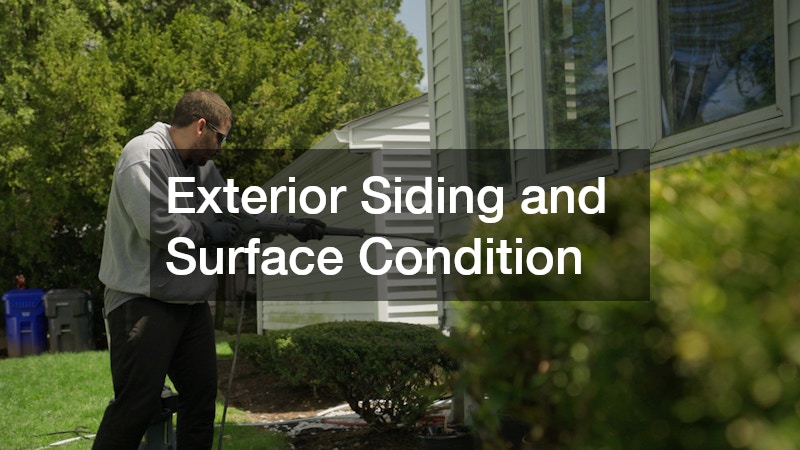
The outside of a property tells you more than its age; it tells you how well previous owners maintained it. Mold, algae streaks, and grime buildup on siding are not just cosmetic issues, they can signal moisture problems that lead to bigger repairs down the road. Before closing, ask when the exterior was last professionally cleaned and whether staining returns quickly after washing.
Hiring a local house washing service to do a pre-purchase assessment can reveal whether discoloration is surface-level or a sign of deeper water intrusion. This is a small investment that can save you from inheriting a bigger structural issue once you own the property.
Balcony and Deck Safety Standards
If the property has a balcony, deck, or elevated walkway, safety compliance should be a top priority during your inspection. Older balconies often have railing that no longer meets current building codes, especially in properties built before modern safety standards were enforced. This is a liability issue as much as a maintenance one, since tenants and guests will use these spaces regularly.
- Check for wobbling or loose balcony railing posts
- Look for rust or rot at the base of support beams
- Confirm railing height meets local code requirements
- Ask for any past inspection reports related to the structure
Kitchen and Storage Functionality

Rental properties succeed or struggle based on small livability details, and kitchen storage is one tenants notice immediately. Outdated or poorly built cabinets can make a unit feel cramped and unappealing, which affects how quickly you can rent it out. Before closing, consider whether the existing setup will hold up to tenant turnover or whether you will need upgrades soon after purchase.
If cabinetry is showing serious wear, get a quote from a custom cabinetry service before finalizing your offer so you know the real cost of bringing the kitchen up to a rentable standard. This number can also become a useful negotiating point with the seller.
Roof Drainage and Water Management
Water damage is one of the most expensive problems a rental property owner can face, and it often starts at the roofline. Clogged or damaged gutters cause water to pool near the foundation, leading to basement leaks, siding damage, and even pest problems. A single heavy rainstorm can dump hundreds of gallons off a roof in an hour, and without a functioning gutter system, that water has nowhere to go but straight down against the foundation walls.
Buyers frequently skip this detail because gutters are easy to overlook from ground level. During a walkthrough, it’s worth checking for sagging gutter sections, rust stains, or plant growth sprouting from the troughs, all of which signal long-term neglect. Downspouts should extend at least 3 to 6 feet away from the foundation; shorter runs are a common and inexpensive fix, but they’re often ignored until they cause real damage.
It’s also worth inspecting the grading around the property itself. If the ground slopes toward the building rather than away from it, even a perfect gutter system won’t prevent water intrusion. Soil that has settled unevenly near the foundation, or mulch beds piled too high against siding, can trap moisture and accelerate rot.
Ignoring these signs can mean inheriting a costly repair bill within the first year of ownership. Foundation crack repairs alone can run several thousand dollars, and mold remediation from chronic basement moisture often costs even more. A quick inspection before closing, or a request for a home inspector to flag drainage issues specifically, can save buyers from a problem that only gets worse with time.
- Look for sagging, detached, or misaligned gutter sections, especially near seams and end caps
- Check for water stains, peeling paint, or soft spots on the fascia board, which often signal long-term overflow
- Inspect downspouts to confirm they direct water at least 3-5 feet away from the foundation
- Ask about the age of the gutter system and whether it’s aluminum, vinyl, or steel, since lifespans vary widely
- Check if gutter guards are installed and whether debris still accumulates despite them
- Budget for gutter repair if there are visible signs of neglect, rust, or clogging
- Get a rough repair or replacement estimate before closing to negotiate price or credits
Plumbing System Age and Condition
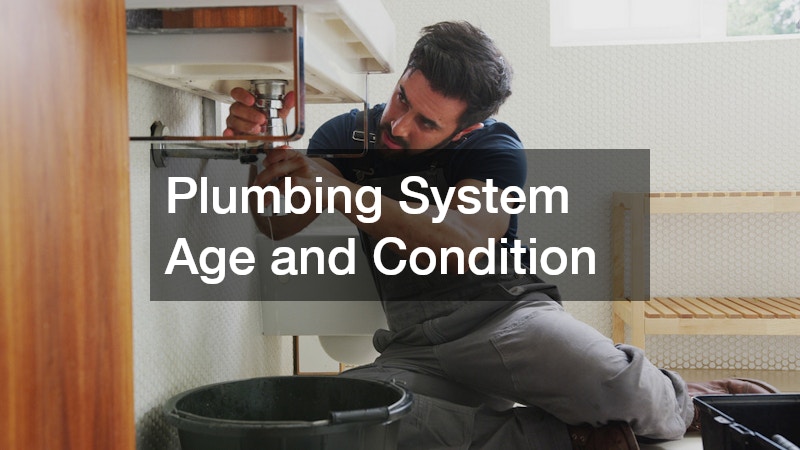
Plumbing issues are among the most common surprises new rental property owners face, and they are rarely visible during a casual walkthrough. Pipes that look fine on the surface may be corroded internally, especially in properties over thirty years old. A slow drain or minor leak during your walkthrough could be a sign of a much larger issue.
Before closing, it is worth paying a local plumber for an independent inspection rather than relying solely on the seller’s disclosure. This gives you a clear picture of remaining pipe lifespan and helps you avoid inheriting a plumbing emergency in your first year as a landlord.
Fire Safety and Building Code Compliance
Fire safety requirements vary widely depending on property type, unit count, and local regulations, and buyers often assume these systems are already compliant. Multi-unit rental properties in particular may be legally required to have a fire sprinkler system installed and maintained to code. Skipping this check can lead to costly retrofits or even fines after you take ownership.
- Confirm whether the property is required to have fire suppression systems
- Ask for maintenance and inspection records if a system is already installed
- Check smoke detector placement and battery backup compliance
- Verify fire extinguisher requirements for common areas
Pest History and Prevention Measures
A clean-looking property can still have an active or recurring pest problem, especially in older buildings, homes with crawl spaces, or those near wooded areas and water sources. Termites, rodents, carpenter ants, and cockroaches can cause damage that is not immediately visible during a walkthrough but becomes expensive once tenants move in and start reporting issues. Termite damage alone can run into thousands of dollars in structural repairs, and by the time it’s noticeable, the infestation may have been active for years.
Sellers are not always forthcoming about past infestations unless directly asked, and in many states disclosure laws only require reporting of known, active problems rather than resolved ones. Buyers should request pest inspection reports, treatment records, and any warranties or service contracts from exterminators, since a documented treatment history says a lot about whether the issue was fully resolved or just masked.
It’s also worth checking for conducive conditions that invite pests even if none are present now — things like standing water near the foundation, wood-to-soil contact, gaps around utility lines, or overgrown vegetation touching the exterior walls. A separate termite inspection (often called a WDO or wood-destroying organism report) is standard in many home sales but frequently skipped in investment property purchases, even though it can reveal risks a general inspector might miss.
Requesting a pest control inspection before closing gives you documentation of the property’s current condition and any treatment history. A licensed inspector can identify signs of termites, carpenter ants, rodents, or wood-boring beetles that a casual walkthrough would likely miss, and their report typically costs between $100 and $300 — a small price compared to the thousands of dollars in structural repairs an infestation can cause.
This step is especially important in regions with high humidity or a history of termite activity, where damage can spread quickly if left unaddressed. Coastal and southern markets, in particular, see recurring subterranean termite issues, so ask the seller directly whether the property has ever been treated and request copies of any warranties or service contracts from pest control companies.
It’s also worth checking whether previous treatments included a transferable bond or ongoing monitoring plan, since this can save you money on future pest control costs. If the inspection uncovers active infestation or old damage, factor those repair estimates into your negotiations or request remediation as a condition of closing.
General Contractor Repair Estimates
Many buyers rely solely on the home inspector’s report without getting a second opinion on repair costs, which can lead to budgeting mistakes. Inspectors are trained to spot problems — a cracked foundation, an aging roof, outdated wiring — but their reports rarely translate those findings into accurate dollar figures. A line item like “roof shows signs of wear” could mean a $500 patch job or a $12,000 full replacement, and that gap can wreck a buyer’s numbers after closing.
Getting a walkthrough from a local contractor before closing gives you real numbers instead of rough guesses. Local pros know current material costs, labor rates, and permitting requirements in your specific market, which national repair-cost calculators simply can’t account for. A contractor can also flag issues the inspector might have downplayed, like whether that “minor” foundation crack requires simple sealing or a full structural repair.
It’s worth getting at least two contractor estimates for any major systems — roof, HVAC, plumbing, or electrical — since quotes can vary by thousands of dollars depending on the company. Ask each contractor for a written breakdown of labor and materials, not just a lump sum, so you can compare them accurately. This extra step typically costs a few hundred dollars but can save you from underestimating a rehab budget by tens of thousands.
- Ask for itemized estimates on any major repairs noted in the inspection, broken down by labor and materials
- Get quotes on roofing, HVAC, plumbing, or foundation issues specifically, since these carry the highest repair costs
- Compare quotes from at least two or three contractors when possible to spot inflated or unrealistic pricing
- Factor permit costs into renovation budgets, since municipalities often charge separately for electrical, plumbing, and structural work
- Add a 10-20% contingency buffer to any estimate for unexpected issues found once work begins
- Use estimates to renegotiate price or request seller credits, using written quotes as leverage during negotiations
- Confirm contractor licensing and insurance before relying on their numbers for financial decisions
Bathroom Fixtures and Renovation Costs
Bathrooms are one of the fastest ways to increase a rental’s appeal, but they are also easy to underestimate when it comes to renovation costs. Older shower enclosures with clouded glass or outdated frames can make a unit feel dated even if everything else has been updated. Buyers often forget to price out these upgrades before closing, only to face the expense right after taking ownership.
If you are planning updates, get pricing on frameless shower doors as part of your renovation budget, since they tend to boost perceived value and are a common upgrade tenants respond well to. Even if you do not renovate immediately, knowing this cost ahead of time helps you plan for future improvements.
Garage Door Function and Long-Term Reliability
If the rental property includes a garage, its door is a feature tenants will use daily, and mechanical failures can lead to frustrating maintenance calls soon after purchase. Buyers often test the door once during a showing without checking the motor, sensors, or spring tension for wear. A door that looks fine but operates poorly can become an early repair cost that eats into your first year of rental income.
- Test the automatic opener and safety reverse sensors
- Check for rust or fraying on the lift cables
- Ask about the age of the springs and motor
- Contact a garage door company for a professional inspection if anything feels off during testing
Closing on a rental property is not just about securing a good price, it is about understanding exactly what you are taking on before you sign the paperwork. Every overlooked detail, from drainage systems to safety compliance, can turn into an unexpected expense once tenants move in. Take the time to get professional opinions on the systems that matter most, and use those findings to negotiate a fair deal or plan your budget accurately. A careful buyer today becomes a confident, profitable landlord tomorrow.