
Commercial properties require consistent maintenance to preserve their value, appearance, safety, and functionality. A building that looks well cared for can make a stronger impression on tenants, customers, employees, and visitors, while proactive maintenance can help property owners identify problems before they become more disruptive or expensive. From the roof overhead to the flooring underfoot, every component contributes to the long-term condition of a commercial property.
Property management also involves more than responding to obvious repairs. Seasonal maintenance, exterior improvements, structural assessments, climate control, and environmental services can all play a role in keeping a building ready for continued use. Working with qualified professionals for specialized tasks can help property owners address specific needs while maintaining a predictable approach to upkeep.
Protecting the Building From Above
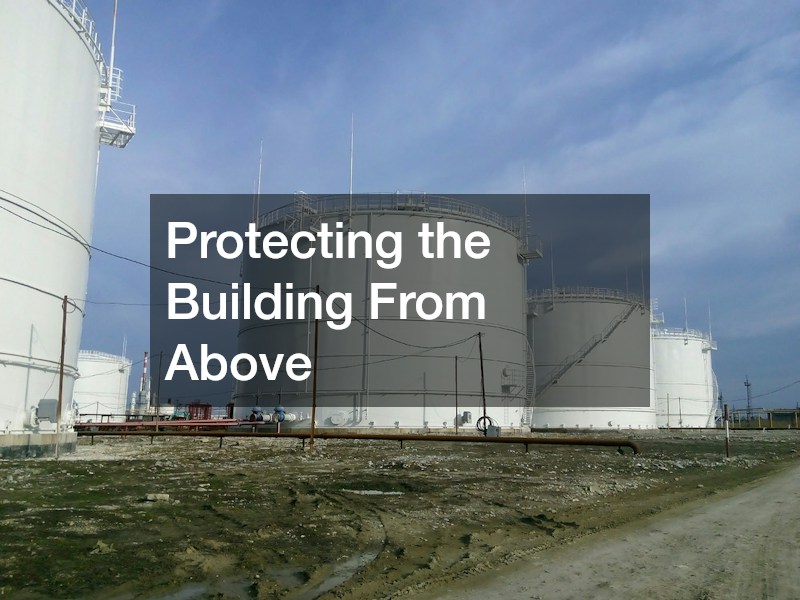
The roof is one of the most important protective features of any commercial property. It shields interior spaces from rain, snow, wind, sunlight, and changing temperatures. Because commercial roofs cover large areas, even a relatively small problem can eventually affect insulation, ceilings, electrical components, inventory, equipment, or occupied spaces.
Regular inspections can help identify damaged membranes, deteriorating flashing, clogged drainage systems, loose materials, and other warning signs. Property managers should also pay attention to the age and condition of the roofing system when creating maintenance schedules and long-term budgets.
When a property requires a new metal roof or significant repairs, metal roof contractors can evaluate the structure and recommend appropriate materials and installation methods. Metal roofing can be used on many types of commercial buildings, and professional installation is important for achieving proper drainage, fastening, flashing, and weather protection.
Routine roof care can also reduce the likelihood of unexpected interruptions. A property owner who waits until water enters an occupied space may face additional repairs beyond the original roofing problem. Addressing deterioration earlier can make maintenance easier to plan and may help protect other building components.
Addressing Commercial Roofing Needs
Commercial roofing systems often have different designs, materials, and maintenance requirements than residential roofs. Flat and low-slope systems, for example, can require careful attention to drainage because standing water can contribute to deterioration over time.
Commercial roofers can inspect areas such as seams, penetrations, flashing, drainage points, and surface materials. Their evaluations can help property managers understand whether a roof needs routine maintenance, localized repairs, restoration, or eventual replacement.
Documentation is another useful component of commercial property management. Keeping records of inspections and completed work can help establish a maintenance history. This information can be useful when planning capital improvements or evaluating recurring issues.
When a property needs broader roofing work, a roofing contractor can coordinate the appropriate labor and materials. Depending on the project, this may involve repairing damaged areas, replacing sections of the system, improving drainage, or installing a new roof.
A proactive approach can also make budgeting more predictable. Instead of treating roofing as an unexpected emergency, property owners can incorporate inspections and anticipated improvements into their broader maintenance plans.
Improving Indoor Environmental Conditions
A commercial property should provide an indoor environment that supports the people who use it. Air quality, temperature, humidity, and ventilation can all influence how comfortable a building feels and how effectively it functions.
Environmental concerns can sometimes involve conditions that are not immediately visible. Radon, for example, is a naturally occurring radioactive gas that can enter buildings from the ground. Testing can help determine whether elevated concentrations are present, while professional radon mitigation services can address confirmed concerns.
Commercial property managers can incorporate environmental testing into broader building maintenance strategies, particularly when there are reasons to investigate indoor air conditions. Depending on the property, testing may be especially relevant for lower levels, basements, or areas with direct contact with the ground.
Addressing environmental issues is not simply about improving the building’s physical condition. It can also help property owners demonstrate attention to occupant safety and responsible facility management.
Keeping Climate Control Reliable
Heating and cooling systems are essential to many commercial properties. Offices, retail spaces, medical facilities, warehouses, restaurants, and other buildings can have very different climate-control requirements, but they all depend on equipment operating reliably.
Routine ac service can help property managers identify worn components, airflow problems, clogged filters, refrigerant issues, and other conditions that can interfere with system performance. Preventive service may also help identify developing problems before a system experiences a complete breakdown.
Commercial property managers should consider seasonal scheduling when planning HVAC maintenance. Air-conditioning equipment that receives attention before periods of heavy use may be less likely to experience avoidable service interruptions during peak demand.
Temperature control can also affect other areas of building management. Excessive humidity, inadequate ventilation, or inconsistent temperatures may affect interior materials and occupant comfort. Maintaining the HVAC system therefore supports more than just cooling.
Property managers can also keep records of service appointments, repairs, equipment age, and replacement recommendations. These records can help inform future capital planning when systems eventually reach the end of their useful service life.
Maintaining Structural Components
The structural elements of a commercial building deserve attention alongside its more visible features. Walls, framing, supports, doors, windows, and other components can all contribute to the building’s overall performance.
Changes to a property can sometimes require structural modifications. Expanding a room, replacing damaged structural materials, modifying an opening, or completing a larger renovation may require specialized expertise.
A framing contractor can assist with structural framing work associated with construction and renovation projects. Professional evaluation is particularly important when changes affect load-bearing components or the building’s existing configuration.
Property managers should avoid treating structural concerns as cosmetic issues. Cracks, movement, water damage, or deterioration may warrant further evaluation, especially when these conditions appear to be worsening.
Regular building inspections can help property owners identify changes that deserve attention. Keeping track of recurring issues can also help distinguish isolated cosmetic repairs from problems that may require more comprehensive investigation.
Updating the Exterior
A commercial property’s exterior affects both protection and appearance. Siding, trim, entrances, windows, doors, walkways, and other exterior elements are exposed to weather throughout the year. Over time, these components can experience fading, cracking, corrosion, moisture intrusion, or general wear.
Exterior remodeling can provide an opportunity to address several issues at once. Depending on the property, improvements might include updated siding, repaired exterior surfaces, improved entrances, replacement windows, or other changes designed to refresh and protect the building.
Exterior work should be planned with the property’s overall condition in mind. For example, replacing damaged siding without addressing the moisture problem behind it may leave the underlying issue unresolved.
Coordinating exterior improvements with other maintenance projects can also reduce disruption. If a building already requires roofing work, for example, property managers may consider whether related exterior repairs should be scheduled during the same planning period.
Managing Trees and Outdoor Areas
Landscaping contributes to the appearance and usability of commercial properties, but trees can also create maintenance concerns when they become overgrown, damaged, or poorly positioned.
Regular tree trimming can help manage branches that interfere with roofs, signs, walkways, parking areas, utility lines, or building access. Removing problematic growth can also help keep outdoor areas easier to maintain.
Storm preparation is another consideration. Weak or damaged branches may become problematic during high winds or severe weather. Professional tree maintenance can help property managers identify conditions that require attention before they create a larger issue.
Trees should be managed with the surrounding property in mind. Branches that contact a roof can contribute to physical damage, while falling debris can clog drainage systems. Overgrown vegetation may also obscure signs, entrances, lighting, or security features.
A planned landscaping maintenance schedule can therefore complement other building services. Rather than addressing trees only after damage occurs, property managers can incorporate pruning and inspections into regular exterior upkeep.
Securing Important Access Points
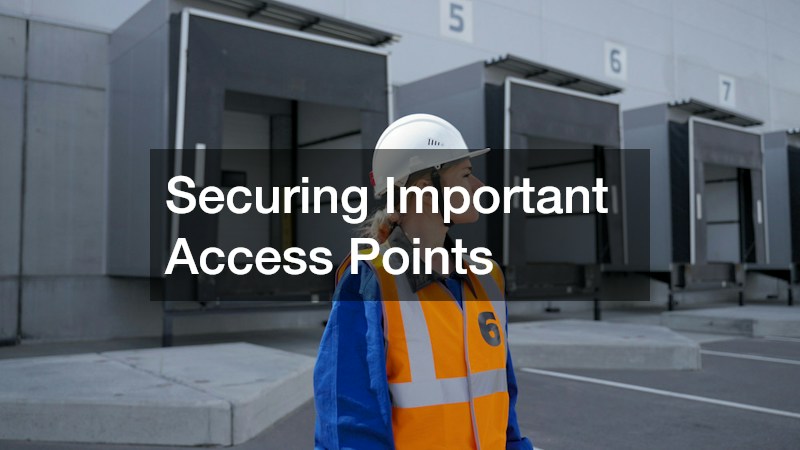
Doors provide more than access to a commercial building. They can contribute to security, weather resistance, fire separation, equipment access, and operational efficiency.
A bulkhead door, for example, can provide access to below-grade spaces such as basements, storage areas, utility rooms, and other portions of a property. Because these doors are exposed to weather and frequent use, their condition should be monitored.
Property managers can inspect doors for rust, corrosion, damaged seals, difficult operation, or other signs of deterioration. Water intrusion around below-grade access points can be particularly important to address because moisture can affect stored materials and interior building components.
Door maintenance should also account for the way each opening is used. High-traffic entrances may require different maintenance than service doors or equipment-access openings. Hardware, hinges, closers, locks, weatherstripping, and surrounding surfaces should all be considered during routine inspections.
Maintaining Interior Floors
Interior flooring receives constant use in most commercial properties. Employees, customers, tenants, delivery personnel, and equipment can all contribute to wear. The appropriate maintenance strategy depends on the flooring material and the activities taking place within the building.
A flooring contractor can assess damaged or worn surfaces and help property managers determine whether repairs, refinishing, or replacement make sense. Different areas may have different requirements based on traffic levels, moisture exposure, cleaning practices, and operational needs.
Flooring problems can also become safety concerns. Loose materials, damaged transitions, uneven surfaces, or deteriorated sections may create hazards for people walking through the building.
Maintaining flooring also supports the property’s appearance. A worn interior can make an otherwise well-maintained building look neglected. Keeping high-traffic areas in good condition can help preserve a consistent appearance throughout the property.
When selecting replacement flooring, property managers should consider durability and maintenance requirements rather than focusing only on initial appearance. A material that suits the building’s traffic and daily activities may provide a more practical long-term solution.
Coordinating Multiple Maintenance Needs
Commercial property management becomes more efficient when individual services are considered as components of a larger maintenance strategy. Roofing, structural work, HVAC maintenance, environmental services, landscaping, exterior improvements, doors, and flooring may appear unrelated, but they all contribute to the condition of the same property.
A centralized maintenance calendar can help managers track inspections, recurring service appointments, warranties, repairs, and anticipated replacements. It can also make it easier to identify when several projects may be coordinated.
For example, exterior improvements may be scheduled alongside roofing work when access to certain areas is already being arranged. Flooring projects might be planned during periods of lower occupancy. HVAC service can be scheduled ahead of seasonal demand rather than waiting for equipment to fail.
This type of planning can also improve communication among contractors. When several professionals work on the same property, clear scheduling and documentation can reduce conflicts and help ensure that completed work does not interfere with another project’s requirements.
Planning for Long-Term Property Value
Protecting a commercial property investment requires ongoing attention rather than occasional emergency repairs. Building components naturally experience wear, and delaying maintenance can sometimes allow small problems to become more complicated.
A long-term property plan can include regular roof inspections, HVAC service, structural assessments, exterior maintenance, environmental testing, tree care, door inspections, and flooring evaluations. The exact schedule should reflect the property’s age, design, location, occupancy, materials, and usage.
Budgeting is equally important. Property owners can separate routine maintenance from larger capital improvements and keep records of expected replacement timelines. This approach can make future expenses easier to anticipate.
Professional documentation can also support decision-making. Inspection reports, service records, invoices, warranties, and photographs can create a useful history of the property’s condition. When recurring problems appear, this information may help managers determine whether continued repairs or a larger replacement project is appropriate.
Creating a More Resilient Property
A well-maintained commercial building depends on many interconnected systems. The roof protects the interior, exterior surfaces defend against weather, HVAC equipment supports indoor conditions, structural components provide stability, and doors and floors help the property function every day.
Professional services can help property managers address these systems according to their specific needs. From specialized roofing work to environmental mitigation and routine landscaping, each service can contribute to maintaining a functional and usable building.
The most effective maintenance strategies are generally proactive and organized. Instead of waiting for visible failures, property managers can monitor building conditions, schedule inspections, document repairs, and plan improvements based on the property’s long-term needs.
Commercial property owners who take this approach can make maintenance a regular component of investment management. By keeping critical systems and building components in good condition, they can support daily operations while preserving the property’s functionality and appearance for years to come.