
Every facility eventually reaches a crossroads where aging systems, cramped layouts, or rising maintenance costs force a decision: repair what you have, upgrade key components, or start fresh somewhere new. These choices carry real financial weight, and it is easy to focus only on the upfront price tag while missing the long term savings or costs hiding beneath the surface. Whether you manage a small office or a larger commercial property, understanding how each upgrade pays for itself over time can save you from an expensive mistake. This article breaks down the most common facility decisions and what to weigh before committing your budget.
Evaluating Structural and Renovation Projects
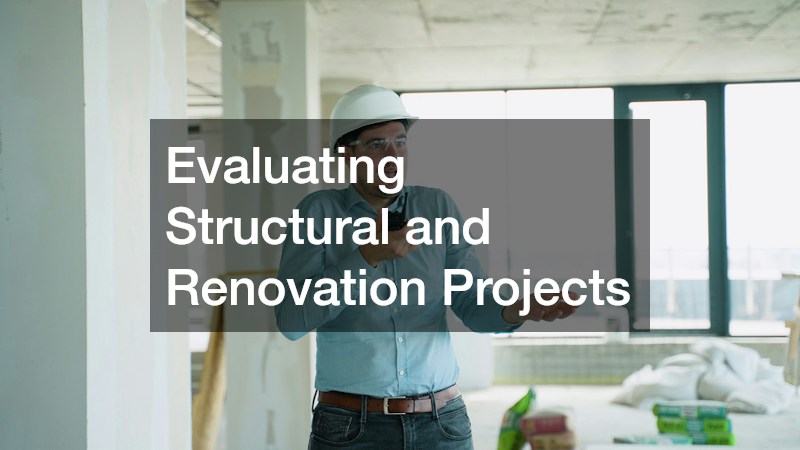
Large scale renovations, additions, or structural repairs are often the most intimidating upgrades because the numbers involved can be substantial, sometimes reaching six or seven figures depending on the scope. A roof replacement, foundation repair, or HVAC overhaul can easily run tens of thousands of dollars, and costs tend to climb further once you factor in permits, inspections, and potential code compliance updates triggered by the work itself. Before signing off on any project, it helps to get multiple bids and ask each bidder to break down labor, materials, and timeline separately so you can compare apples to apples. Three to four quotes is a reasonable target, and any bid that seems dramatically lower than the others deserves extra scrutiny, since it may signal corners being cut or costs that will surface later as change orders. It’s also worth asking bidders how they handle unexpected findings, like water damage behind a wall, since these surprises can quietly inflate a budget by 15 percent or more. Reliable commercial contractors will walk you through phased options, letting you tackle the most urgent structural issues now while planning cosmetic or expansion work for later. Phasing not only spreads out cash flow but also gives you room to reassess priorities as business conditions change year to year. When comparing phased proposals, weigh the cost of doing work in stages against the possibility of paying a premium for remobilizing crews and equipment down the road.
A phased approach also spreads out cash flow demands, which matters if you are trying to avoid disrupting daily operations. Instead of committing to a full renovation budget upfront, you might tackle the roof and building envelope in year one, then move to interior reconfiguration in year two once revenue projections confirm the investment is paying off. This staging also gives you room to renegotiate contractor rates or materials pricing if market conditions shift between phases. Ask about warranties on workmanship, since a longer warranty often signals confidence in the quality of the build. A one-year labor warranty is standard, but reputable contractors will often offer three to five years on structural work, and manufacturers may back materials like roofing membranes or HVAC systems for ten years or more. Get these terms in writing, and clarify what triggers a voided warranty, such as skipping a required annual inspection. Getting this right the first time prevents costly rework down the line. A poorly sequenced renovation, like finishing walls before electrical rough-in is complete, can add 15 to 20 percent to labor costs when crews have to backtrack. Bringing in a third-party inspector at key milestones, rather than relying solely on the contractor’s own sign-off, adds a modest expense but catches problems while they are still cheap to fix.
Managing Waste and Debris During Construction
Any renovation or cleanout project generates far more debris than most people anticipate, and figuring out disposal logistics ahead of time keeps a project on schedule. Renting roll off containers is typically the most cost effective way to handle large volumes of construction waste, old fixtures, or damaged materials without making dozens of trips to a disposal site. Sizes vary widely, so it pays to estimate volume honestly rather than guessing low and paying for a second delivery.
- Ask about weight limits, since exceeding them can trigger extra fees
- Confirm what materials are prohibited, such as certain chemicals or electronics
- Schedule delivery and pickup around your project timeline to avoid idle rental days
- Compare pricing between flat rate and weight based container rentals
Separating Everyday Waste From Recycling Streams
Once a facility is up and running again, ongoing waste management becomes a routine but important budget line. Efficient garbage collection service keeps a property compliant with local sanitation codes and prevents overflow issues that can attract pests or generate complaints from tenants and neighbors. Many municipalities now require businesses to separate recyclables from general waste, so it is worth confirming what your hauler accepts before contamination fees start piling up.
Reviewing your collection frequency and container sizing every year or two can also reveal savings opportunities. A facility that has downsized staff or shifted to more digital operations may not need the same pickup schedule it once did, and adjusting service levels is a simple way to trim recurring costs without sacrificing cleanliness or compliance.
Deciding Between HVAC Repair and Full Replacement
Heating and cooling systems represent one of the biggest ongoing expenses in any facility, and knowing when to repair versus replace can be genuinely confusing. As a general rule, if a unit is past the midpoint of its expected lifespan and repair costs exceed a third of a replacement’s price, replacement usually wins out financially. A heat pump replacement, for example, often pays for itself within a handful of years thanks to efficiency gains, especially in climates with mild winters where heat pumps run more of the time.
Energy efficient equipment also tends to qualify for utility rebates or tax incentives, which can meaningfully offset the upfront cost. It is worth requesting an energy audit before making a final call, since it gives you hard numbers instead of guesswork. A facility that runs older, mismatched equipment often loses more money to inefficiency than most owners realize.
Choosing Qualified Help for Climate Control Systems
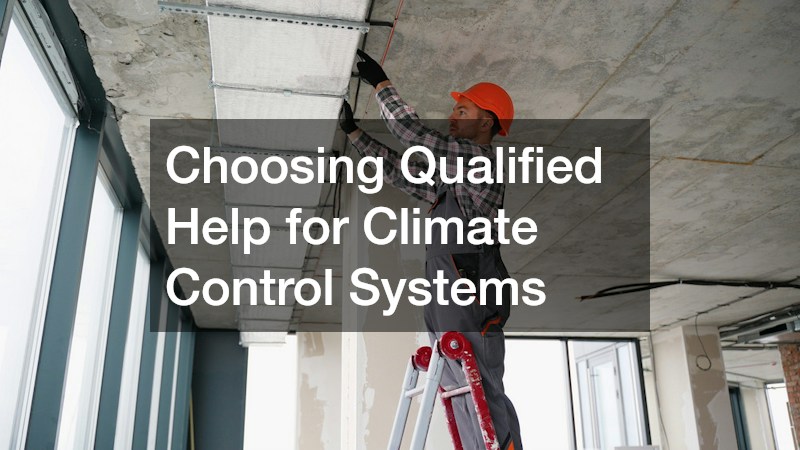
The contractor you hire to service or install climate control equipment matters just as much as the equipment itself. Reputable commercial HVAC contractors should be willing to provide load calculations specific to your building rather than simply swapping in a similarly sized unit. This distinction matters because an improperly sized system wastes energy and wears out faster, undermining any long term savings you were hoping to capture.
- Ask for references from other commercial properties of similar size
- Request a written maintenance plan, not just an installation quote
- Confirm licensing and insurance coverage before work begins
- Compare at least two or three quotes for major installations
Improving Accessibility for Multi Level Facilities
Facilities with multiple floors or split levels increasingly need to accommodate employees, customers, or visitors with mobility challenges, and this is not just a compliance issue but a genuine service improvement. Working with an established chair lift company can help you evaluate whether a straight or curved rail system fits your stairway layout, and most reputable providers will conduct an on site assessment before quoting a price. Accessibility upgrades like these often increase a property’s usability and can widen the pool of potential tenants or customers.
Beyond the installation cost, ask about maintenance intervals and battery backup options, since a lift that fails during a power outage creates both safety and liability concerns. Many facilities find that the long term goodwill and legal risk reduction from proper accessibility upgrades outweighs the initial investment fairly quickly.
Weighing the Cost of Leasing Versus Owning Space
Not every facility decision involves fixing what you have. Sometimes the more financially sound move is reconsidering whether your current location still makes sense at all. Before approving another round of upgrades, it’s worth running the numbers on relocation, subleasing, or downsizing as genuine alternatives rather than afterthoughts. Businesses that have outgrown their footprint, or shrunk after downsizing, often find that office space rental offers more flexibility than owning, particularly if growth projections are uncertain over the next three to five years. Ownership locks up capital in a fixed asset and leaves you exposed if your headcount or operational needs shift faster than expected. Leasing, by contrast, lets you negotiate shorter terms, scale square footage up or down, and avoid the carrying costs of maintenance, property taxes, and insurance that come with ownership. There are trade-offs worth weighing carefully, though. Owning builds equity and shields you from rising lease rates in a tight market, while renting means you’re ultimately subject to a landlord’s terms and renewal pricing. A useful exercise is comparing the total five-year cost of a lease against the total cost of ownership, including financing, upkeep, and resale value, before committing either way.
Renting also shifts many maintenance and structural responsibilities onto the landlord, which can simplify budgeting considerably. Roof repairs, HVAC replacement, and parking lot resurfacing typically fall outside a tenant’s obligations under a standard triple net lease, freeing up capital that would otherwise sit idle as a contingency reserve for facility upkeep. That said, long term lease terms sometimes include escalation clauses that raise rent annually, so it is important to read the fine print and calculate total cost over the full lease term rather than focusing only on the initial monthly rate. A common structure calls for annual increases of 3 to 5 percent, which can quietly add tens of thousands of dollars to the total obligation over a ten year term even though the first year’s rate looked competitive. It is also worth scrutinizing common area maintenance fees, property tax pass-throughs, and insurance charges, since these variable costs can fluctuate independently of the base rent and are easy to underestimate during initial negotiations. Requesting a full lease cost projection, broken out year by year, gives a clearer picture than relying on the headline rate alone. Finally, consider the flexibility tradeoff: leasing makes it easier to relocate or scale square footage as production needs change, while ownership locks capital into a fixed location but builds equity and shields the business from unpredictable rent increases altogether.
Protecting Sensitive Records During Transitions
Facility upgrades, moves, and downsizing all create moments where old paperwork piles up and needs to be dealt with responsibly. Using a professional secure document shredding service protects client and employee information from falling into the wrong hands, which is especially important given how strict data privacy regulations have become in recent years. Many providers offer on site shredding with a certificate of destruction, giving you documented proof of compliance.
This step is easy to overlook amid the bigger logistics of a renovation or relocation, but the financial and reputational damage from a data breach can dwarf the modest cost of proper document disposal. Building this into your project timeline from the start avoids a last minute scramble.
Planning a Smooth Relocation to a New Location
If your facility assessment leads you toward a full relocation, the logistics of the move itself deserve careful planning. Experienced office moving companies can handle everything from furniture disassembly to IT equipment transport, which minimizes downtime and reduces the risk of damaged equipment. Getting a detailed inventory and timeline from your mover in advance helps you set realistic expectations with staff and clients about when normal operations will resume.
- Request a binding estimate rather than a rough quote to avoid surprise fees
- Ask how sensitive equipment like servers or medical devices will be handled
- Confirm insurance coverage for items damaged in transit
- Schedule the move during off peak hours if your business needs continuous access
Upgrading Perimeter Security and Access Control
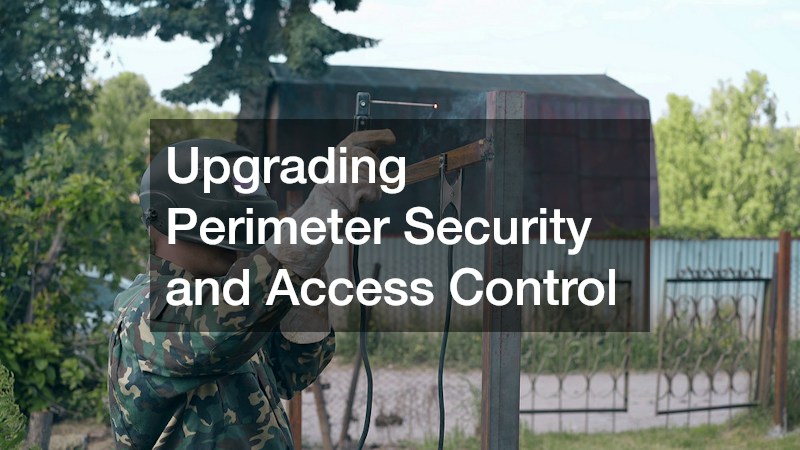
Security upgrades often get pushed to the bottom of a priority list, but they can meaningfully affect insurance premiums and liability exposure. Installing an electric gate at vehicle entry points gives a facility better control over who comes and goes, particularly for properties with valuable equipment, inventory, or after hours deliveries. Modern systems can integrate with keypad codes, remote fobs, or app based controls, making it easier to manage access without needing staff present at all times.
While the upfront cost of a gated entry system is noticeable, many property owners find it pays off through reduced theft, lower insurance premiums, and fewer liability incidents. It is worth getting a few different quotes and asking about maintenance requirements, since motors and sensors exposed to weather need periodic servicing to keep working reliably.
Weighing facility upgrades against their long term payback comes down to asking the right questions before you spend a dollar: what does this fix actually save me over five or ten years, and what happens if I delay it further. Every decision covered here, from waste management to security to accessibility, carries both a visible upfront cost and a less obvious long term return. Take the time to gather multiple quotes, ask providers for hard numbers rather than estimates, and prioritize the upgrades that protect your budget and your people first. A little research now can prevent a much costlier decision later.