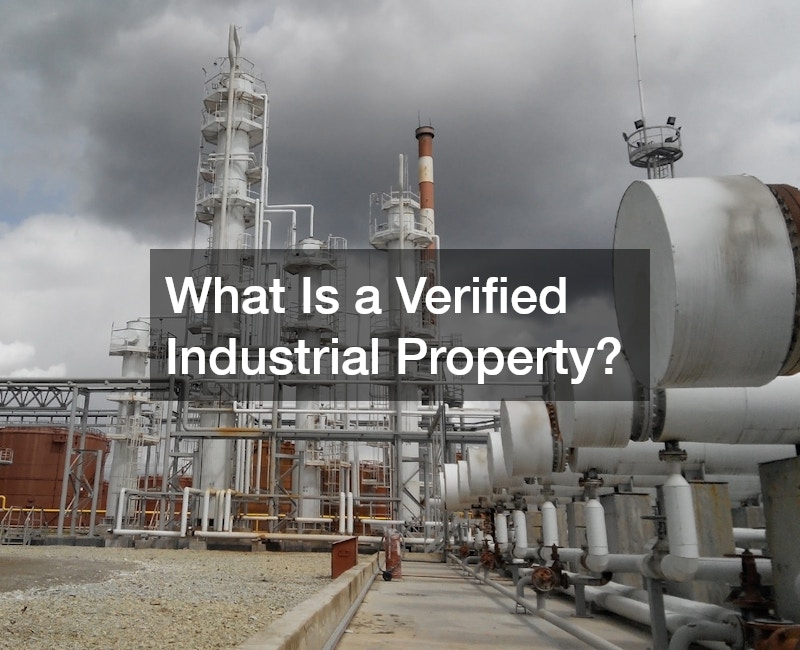

The hidden costs of a vacant commercial unit are staggering. Every single day a retail storefront, warehouse, or office space sits empty, it represents lost revenue that you can never recover. But the financial drain goes beyond just the missing rent check. While the space is unoccupied, you are still actively bleeding capital to cover property taxes, insurance premiums, baseline utility costs, and routine maintenance. Because of this ticking clock, speed is absolutely critical when turning over a unit. However, rushing the process and cutting crucial corners is a sureness way to attract low-quality tenants, endure endless maintenance complaints, or face an immediate, costly turnover just a few months down the line.
Preparing a space quickly and effectively requires a strategic mindset. You must prioritize high-visibility and high-liability upgrades over complete, vanity-driven overhauls. Your goal is not necessarily to build a custom dream space for a hypothetical tenant, but rather to present a flawless, safe, and highly functional blank canvas. Tenants want to see a well-maintained envelope where they can immediately drop in their operations and begin generating their own revenue without delay.
In this comprehensive guide, we will break down the exact steps you need to take to get your property market-ready in record time. We will cover how to conduct a ruthless initial assessment of structural integrity, strategies for securing the exterior envelope against the elements, techniques for optimizing all entry points for smooth operational flow, and the most cost-effective ways to modernize interior aesthetics. Finally, we will outline how to ensure a pristine, professional handover that makes signing the lease a no-brainer for prospective business owners.
Conduct a Ruthless Initial Audit and Address Structural Flaws
Before you can make a space look appealing, you must ensure it is fundamentally sound. Cosmetic fixes applied over foundational issues are not just a waste of capital; they are a massive liability. The first step in any rapid property turnaround is a thorough, objective evaluation of the bones of the building.
Walk the Property with a Renter’s Eye
As an owner, you become blind to the quirks of your own property. You know that you have to step over a slight dip in the floorboards, or that a specific light switch requires a hard flick. A prospective tenant does not know these things, and to them, these quirks look like neglected maintenance. You must conduct your initial audit with a hyper-critical “renter’s eye.”
Create a systematic checklist that forces you to evaluate the property logically, starting from the curb, moving through the entryways, and extending all the way to the back office and utility closets. Document absolutely everything with high-resolution photos and detailed notes.
Pay close attention to the following immediate red flags:
-
Trip hazards in walkways, transitional thresholds, or parking areas.
-
Signs of settling, such as diagonal cracks in drywall or masonry.
-
Outdated electrical panels or exposed, unpermitted wiring.
-
Inefficient layouts that create dead space or bottleneck foot traffic.
-
Visible plumbing issues, including slow drains, low water pressure, or corrosion around pipes.
Prioritize High-Liability Foundation and Framework Repairs First
Once your audit is complete, your immediate priority must be addressing high-liability issues. Do not attempt to mask major structural flaws with a quick coat of paint or new flooring. If the foundation is settling, retaining walls are bowing, or the interior layout requires significant restructuring to meet modern fire and safety codes, you must address this before anything else.
Bringing in vetted commercial construction companies early in the process is vital to handle large-scale structural corrections swiftly and safely. These professionals understand the stringent building codes required for business operations and can manage the necessary permitting processes that often delay inexperienced owners. Addressing these heavy-duty structural needs immediately ensures that the rest of your aesthetic upgrades will not have to be torn out later to fix a hidden, underlying collapse.
Evaluate Specialized Industrial and Warehouse Elements
If your property falls into the industrial, flex-space, or warehouse category, your structural audit requires an entirely different focus. In these environments, the building itself is often a functional piece of the tenant’s operational machinery. You must evaluate the integrity of the heavy-duty framing, the load-bearing capacity of the concrete slab floors, and the condition of the exterior cladding.
Look for rust on steel I-beams, impact damage to corrugated siding from forklifts, or stress fractures in the concrete where heavy machinery was previously anchored. If you discover compromised structural steel or severely damaged exterior paneling, it is highly recommended to consult with specialized commercial metal building contractors to reinforce the framework. These experts have the specific tools and materials required to weld, patch, and stabilize heavy-gauge steel structures, ensuring the facility is safe for industrial use before you ever begin worrying about the interior office spaces.
Fortify the Exterior to Prevent Costly Tenant Interruptions
A solid, impenetrable building envelope is non-negotiable for high-tier tenants. Business owners are storing expensive inventory, housing critical server racks, and operating delicate machinery inside your property. The exterior of your building is their primary defense against the elements. If the envelope fails, their business halts, and your phone will ring with an angry tenant demanding immediate remediation and potentially threatening to withhold rent.
Inspect for Moisture Intrusion from Top to Bottom
Water damage is arguably the most massive dealbreaker for a prospective business owner. Even the suspicion of a leak can cause a promising tour to end abruptly. You must thoroughly inspect the building for any signs of moisture intrusion. Inside, look for yellowing ceiling stains, bubbling drywall, peeling wallpaper, a musty odor indicating hidden mold, or pooling water in utility areas. Outside, inspect the downspouts, gutters, and flashing around parapet walls and HVAC units.
Because roofs are notoriously tricky to evaluate from the ground, you should strongly consider bringing in a professional commercial roofing service for a comprehensive evaluation. Many modern services now utilize high-definition drone inspections to quickly identify pooling water or membrane tears without requiring scaffolding. They can also perform core tests to determine if moisture has penetrated the insulation layers beneath the visible surface, identifying hidden leaks before they manifest inside the building.
Make the Fast, Cost-Effective Call on Patching vs. Overhauling
When roof issues are identified, landlords often face a difficult decision: execute a quick, cheap patch, or invest in a comprehensive overhaul. While patching saves money today, you must calculate the true cost of time versus money. If a roof is nearing the end of its projected lifespan and has a history of chronic leaks, repeatedly patching it will inevitably delay your leasing timeline and frustrate your future tenants when the patches inevitably fail during the first major storm.
In many scenarios, opting for a complete commercial roof replacement is actually the faster and more profitable long-term strategy. It becomes a massive selling point during property tours. High-tier tenants will often pay a premium for a space where they are guaranteed operational stability and zero inventory loss due to weather.
Power Wash and Tidy the Parking and Landscaping
The exterior of your property provides the crucial first impression. Long before a prospective tenant evaluates the layout of the back office, they are judging the curb appeal. If the parking lot is littered with debris and the sidewalks are stained, the tenant will unconsciously assume the interior is similarly neglected.
Implement a rapid, high-impact exterior cleanup strategy:
-
Rent a heavy-duty power washer to blast away chewing gum, oil stains, and dirt from all concrete walkways, entry pads, and the building facade.
-
Hire a contractor to restripe the parking lot. Bright, crisp yellow or white lines immediately make a property look well-managed and organized.
-
Clean up the landscaping by trimming overgrown bushes away from windows, pulling weeds from the pavement cracks, and laying down a thick layer of fresh, dark mulch in the planter beds.
Optimize All Entry Points for Flow and Security

The functionality of a commercial space is heavily dictated by how easily people, inventory, and vehicles can move in and out. Entry points are high-touch areas that experience immense wear and tear. If these access points are faulty, they create daily friction for the tenant.
Guarantee Smooth Operations for Customer Entrances
A storefront or main office entrance is the literal handshake of your building. If a customer pulls on a heavy glass door and it sticks, squeaks loudly, or fails to latch properly upon closing, it immediately makes the entire business feel cheap and unprofessional.
Test all primary entrances rigorously. Ensure that the hinges are properly lubricated and that the automatic closers are calibrated so the door doesn’t slam or stay propped open. Pay close attention to ADA-compliant thresholds to ensure wheelchair accessibility is seamless. If the main entrance features heavy aluminum framing or specialized pivot hinges that have warped over time, do not try to bend them back into shape yourself. Bring in a commercial door repair specialist to realign the frames, replace worn weatherstripping, and update heavy-duty pivots. A perfectly balanced, silent entrance sets a premium tone for the rest of the tour.
Service Loading Docks and Bay Entrances
For retail, flex, or industrial tenants, inventory flow is their absolute lifeblood. If a delivery truck cannot easily back into a bay, or if the warehouse staff struggles to open a loading dock, the tenant loses money every single hour.
You must ensure that all rear access points and roll-up doors are in pristine working condition.
-
Thoroughly clean and lubricate all steel tracks to remove dirt and old, gummy grease.
-
Test the tension springs to ensure the doors can be lifted smoothly without excessive force.
-
Inspect the bottom rubber weather seals to ensure they sit flush against the concrete, preventing pests and drafts from entering the warehouse.
If you notice frayed cables, dented tracking, or sluggish motorized openers, hire a fast commercial garage door repair crew immediately. Having a technician certify that the rolling steel doors and dock levelers function perfectly will be a major selling point. You want to be able to effortlessly roll the door up with one hand during a property tour to demonstrate the quality of the facility.
Upgrade Access Control Systems
Security is paramount for modern businesses. Handing over a ring of easily duplicated, un-trackable brass keys is no longer the standard for premium commercial spaces. Upgrading your access control systems provides an immediate boost to the perceived value and security of the property.
Consider swapping out traditional deadbolts for modern electronic keypads, fob readers, or smart locks that can be managed via a smartphone application. These systems allow future business owners to grant and revoke access to their employees instantly without having to call a locksmith to re-key the entire building. This relatively inexpensive upgrade signals to prospective renters that you are a forward-thinking landlord who values their security and operational convenience.
Modernize the Interior with High-ROI Cosmetic Updates
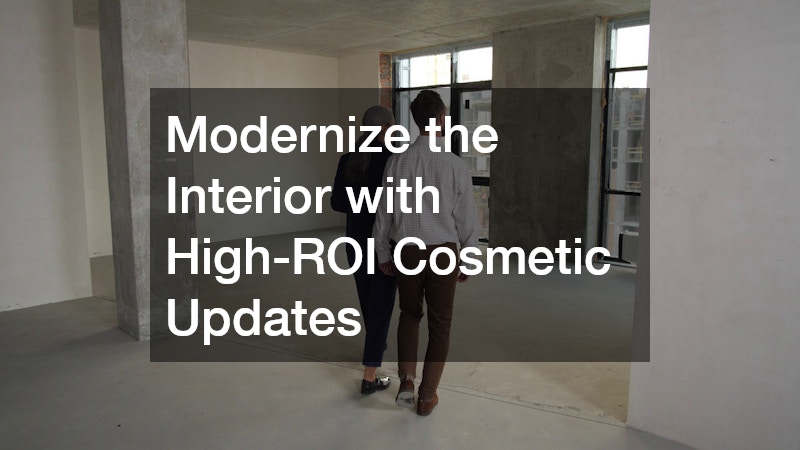
Once the structural integrity is secured, the exterior is watertight, and the entry points are optimized, it is time to focus on the interior aesthetics. The goal here is not to design a highly specific, customized office layout. Instead, you want to create a bright, clean, and highly durable blank canvas that allows any prospective tenant to easily visualize their own branding, furniture, and company culture within the walls.
Apply a Fresh, Neutral Palette to Walls
Paint is consistently the highest ROI upgrade you can perform on a property. Scuffed, oddly colored, or dirty walls make a space feel significantly smaller and older than it actually is. You must erase the aesthetic footprint of the previous tenant entirely.
Select a bright, neutral color palette. Bright white, soft warm grays, or greige (a blend of gray and beige) are the optimal choices. These colors have a high Light Reflectance Value (LRV), meaning they bounce natural and artificial light around the room, making the square footage feel more expansive and welcoming. To accelerate your timeline and get the property listed faster, recommend hiring a professional commercial painting service rather than attempting a DIY approach. Professional crews have the equipment to mask the floors, spray the open ceilings or exposed ductwork, and back-roll the drywall over a single weekend, transforming the space almost overnight.
Upgrade Breakrooms and Restroom Surfaces
While the main warehouse or open office area serves as the blank canvas, the breakrooms and restrooms are the spaces where prospective tenants look for quality. A shabby, outdated kitchen or a dimly lit, dirty bathroom will absolutely deter high-quality businesses who want to provide a comfortable environment for their employees.
You do not need to execute a full, expensive gut renovation. Instead, focus on targeted, rapid modernization:
-
Replace old, leaking faucets with modern, touchless commercial fixtures.
-
Swap out cracked or yellowing toilet seats and update the vanity mirrors.
-
Bring in local countertop installers to rip out chipped, stained laminate surfaces in the breakroom and bathrooms. Replacing them with durable, easy-to-clean quartz or solid surface materials instantly elevates the entire room and signals high quality to the renter.
-
Paint existing wooden cabinetry with a durable enamel rather than replacing the boxes entirely.
Rip Out Outdated Flooring and Replace with LVP
Stained, threadbare commercial carpet tiles or cracked linoleum scream neglect. Flooring takes the brunt of the daily abuse in any commercial setting, and upgrading it is essential for a fast lease.
Rip out the old materials and strongly consider replacing them with Luxury Vinyl Plank (LVP). LVP has revolutionized commercial flooring for several reasons:
-
Durability: Commercial-grade LVP features a thick wear layer (look for 20 mil or higher) that resists scratches from rolling office chairs and heavy foot traffic.
-
Moisture Resistance: It is 100% waterproof, making it ideal for breakrooms, entryways, and areas prone to spills.
-
Aesthetics: High-quality LVP mimics the look of natural hardwood or polished stone, adding significant visual warmth to an otherwise sterile office environment.
-
Speed of Installation: It is a click-lock or glue-down floating floor that installs exponentially faster than ceramic tile or broadloom carpet, keeping your turnaround time tight.
Maximize Lighting for a Brighter, Larger Feel
Lighting profoundly impacts the psychology of a space. Old, flickering fluorescent tubes emit a harsh, yellow-green light that induces eye strain and makes spaces look dingy and depressing.
Outline a rapid lighting upgrade plan. Swap out all outdated fluorescent fixtures with bright, energy-efficient LED flat panels. Aim for a color temperature between 4000K and 5000K, which mimics natural daylight and boosts alertness and productivity. Good lighting casts away shadows in corners, making the entire floor plan look substantially bigger and cleaner during a walkthrough.
Final Sanitations and Staging for Showings
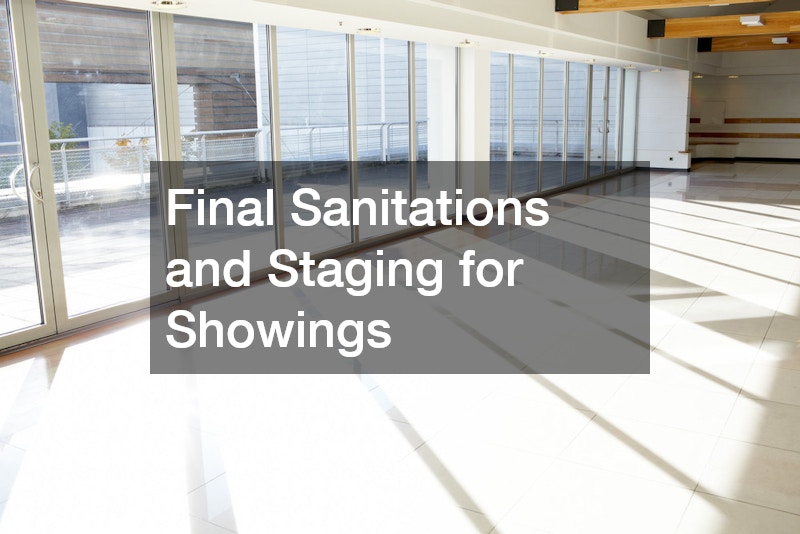
You have completed the heavy lifting. The structure is sound, the exterior is sharp, and the interior is modernized. The final phase is about eliminating any lingering friction points and presenting the space as a highly desirable, turnkey product ready for immediate occupancy.
Eliminate Hidden Health Liabilities Before Opening Doors
Nothing kills a lease negotiation faster than a prospective tenant spotting mouse droppings in a utility closet or finding dead insects along the window sills during a tour. It immediately shatters the illusion of a clean, well-maintained building and raises questions about hidden health liabilities.
Before you schedule a single showing, explain the necessity of bringing in commercial pest control services to perform a comprehensive sweep of the entire property. Have them spray the exterior perimeter, treat the interior baseboards, and set discreet preventative traps in high-risk areas like breakrooms and loading docks. Ask the technicians to provide a formal “clean bill of health” certificate or a receipt of preventative treatment. Having this document on hand during tours is a powerful way to reassure the new tenant that they will not inherit an infestation problem.
Compile a Digital “Property Prospectus” for Faster Turnaround
When a prospective tenant decides they want the space, you must strike while the iron is hot. Delays in providing documentation can cause a hot lead to cool off or look at a competitor’s building. Speed up the actual signing process by having a comprehensive digital folder—a “Property Prospectus”—ready to email the moment they ask for more information.
A highly effective property prospectus should include:
Position the Space Effectively in Your Local Market
The final step is marketing. Your beautiful, newly prepped space will only lease quickly if the right people know it exists. Do not rely on dimly lit, blurry smartphone photos to sell a premium commercial space.
Once the property is entirely clean, well-lit, and completely empty of contractor tools, hire a professional real estate photographer to capture the space. Use these high-quality photos to write an enticing, benefit-driven listing description. Highlight the specific upgrades you just made—mention the brand-new waterproof flooring, the upgraded quartz breakroom, the recently serviced loading docks, and the smart access control systems. When putting the commercial property for lease on major real estate platforms and local brokerage networks, ensuring your marketing collateral matches the high quality of the physical space will attract serious, well-capitalized business owners ready to sign.