
In today’s competitive market, understanding the nuances of industrial properties is crucial for investors, developers, and businesses alike. A verified industrial property stands out as a significant category within commercial real estate. These properties not only satisfy standard real estate criteria but are also subjected to additional verification processes that ensure their integrity, compliance, and overall quality. This assurance makes them particularly attractive for various industries that depend on reliable operational spaces.
In this blog post, we will delve deeper into what constitutes a verified industrial property, its importance, and how it impacts the industrial real estate market.
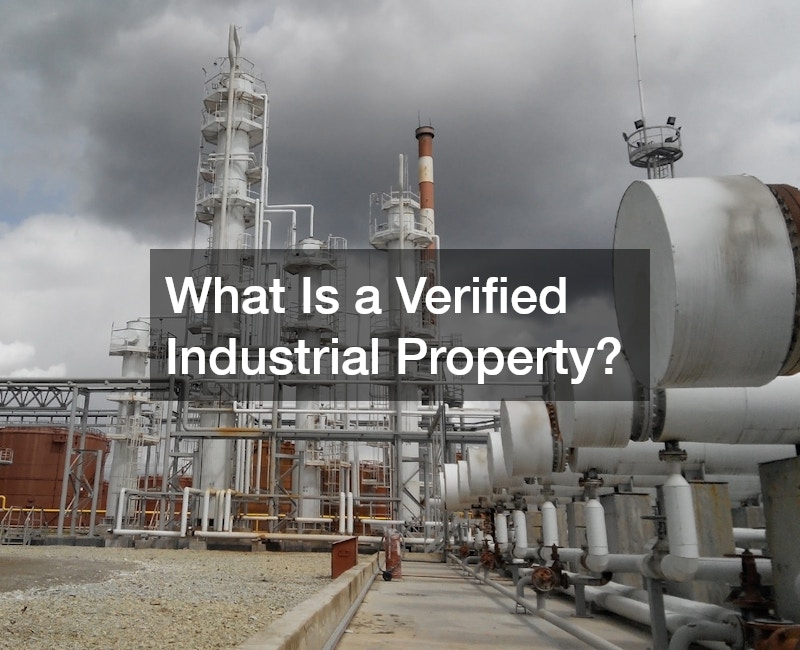
First and foremost, the term “verified” in the context of industrial properties refers to the extensive due diligence that these properties undergo before they are listed on the market. This verification process typically includes comprehensive assessments pertaining to zoning regulations, structural integrity, environmental compliance, and safety standards. For instance, technological advancements may facilitate thorough inspections and audits of industrial properties, thus confirming that they meet required safety regulations and building codes. Such verification can significantly enhance the property’s appeal to prospective tenants and buyers, as they can rest assured knowing that the property has been vetted and meets industry standards.
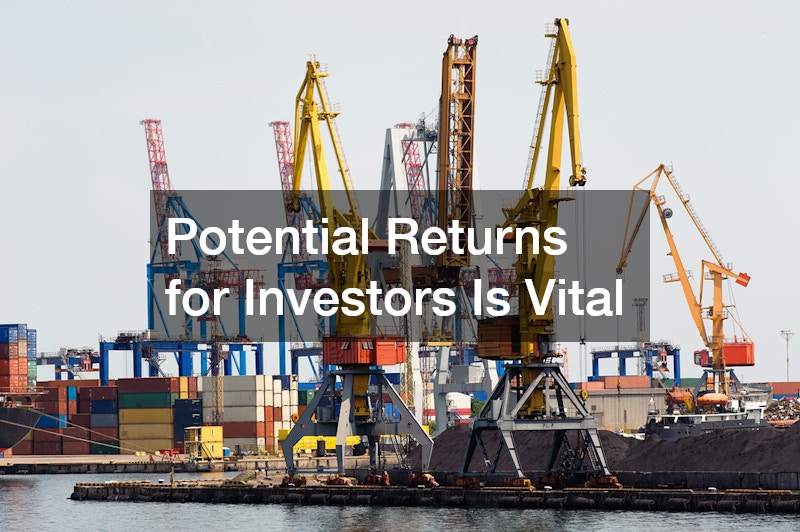
Another critical aspect of verified industrial properties is their impact on potential returns for investors. Investors are often wary of the risks associated with purchasing industrial real estate, but a verified property can mitigate those risks significantly. These properties typically come with verified financials, current lease agreements, and proof of a reliable tenant history, contributing to stability in cash flow. Moreover, investors often prefer properties that are verified as it shows a commitment to quality and transparency, making it easier to attract high-quality tenants who are looking for compliant spaces that fit their operational needs. In essence, verified industrial properties can lead to higher occupancy rates and increased real estate value over time.
Furthermore, the importance of location in relation to verified industrial properties cannot be overstated. The verification process often involves assessing the property’s geographic and strategic advantages. Proximity to transportation hubs, major highways, and industrial networks play a crucial role in a property’s viability, effectiveness, and marketability. Verified properties that score high in location assessments are typically more desirable, as they facilitate logistics and supply chain efficiency. Consequently, such properties often command higher prices and faster leasing cycles, benefiting both investors and tenants. As a result, it becomes imperative for stakeholders to pay attention to geographical factors alongside verification standards.
Lastly, the implications of verified industrial properties extend beyond financial benefits to include societal and environmental concerns. With growing emphasis on sustainable practices and environmental responsibility, many verified industrial properties are constructed or renovated using eco-friendly materials and energy-efficient systems. This not only aligns with modern corporate responsibility trends but also appeals to environmentally conscious businesses seeking to minimize their carbon footprint. Moreover, verified properties often undergo rigorous environmental assessments during the verification process, ensuring they comply with local and federal environmental regulations. By investing in or leasing verified properties, businesses demonstrate their commitment to sustainability, which can enhance their brand image and consumer trust.
In conclusion, understanding what constitutes a verified industrial property can provide vital insights for various stakeholders in commercial real estate. Through comprehensive verification processes, these properties offer enhanced quality, stability, and compliance, benefiting investors and businesses alike. Additionally, the strategic importance of location and commitment to sustainability further bolsters the attractiveness of verified properties. As the industrial real estate market continues to evolve, the demand for verified industrial properties is likely to increase, driven by investors’ need for security and businesses’ desire to align with best practices in environmental stewardship. Thus, being well-informed about verified industrial properties is crucial for anyone looking to thrive in the dynamic landscape of industrial real estate.